RMG – Preserving Human Voices and Faces: Pope Leo XIV’s Call for Authentic Communication in the Digital Age
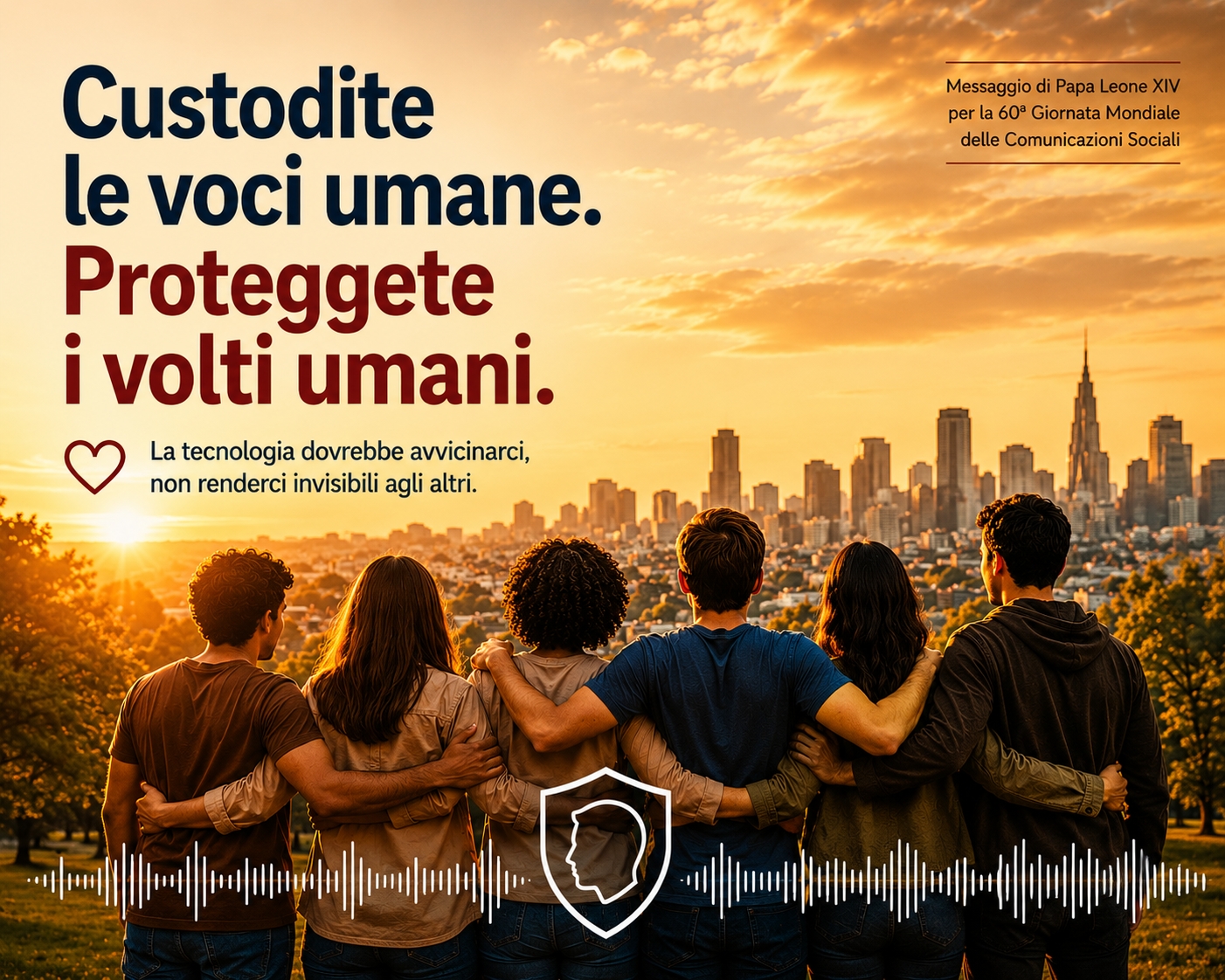
In his message for the 60th World Communications Day, Pope Leo XIV offers a timely and compelling reflection on communication in an era increasingly shaped by artificial intelligence. At the heart of his message lies a clear appeal: to safeguard what is most sacred in human communication — our faces and our voices. In a world where technology can simulate speech, replicate images, and generate content that closely mimics human creativity, the Holy Father insists that “the challenge is not technological, but anthropological.” The decisive question is not what machines can do, but what we as human beings are becoming.
The Sacred Gift of Face and Voice
Pope Leo grounds his reflection in Scripture. Created in the image and likeness of God, every person bears a unique identity that is revealed through the face and expressed through the voice. These are not merely physical traits; they are signs of relationality. Through them, we encounter one another, communicate truth, and share love.
This divine gift reached its fullness in Jesus Christ, the Word made flesh. In Him, God communicated not abstractly but personally — through a human face and a human voice. The Incarnation affirms that authentic communication is embodied, relational, and rooted in truth.
To weaken or distort the human dimension of communication is therefore to risk obscuring the reflection of divine love imprinted in every person. When faces become avatars and voices become synthetic reproductions detached from responsibility, something essential to our humanity is diminished.
The Risks of a Digital Culture without Discernment
While acknowledging the positive potential of technological development, Pope Leo warns against its uncritical use. He identifies several dangers that threaten authentic communication.
Digital algorithms often reward speed, emotional reaction, and outrage rather than thoughtful reflection. This dynamic fuels polarization, trapping individuals within ideological “bubbles” and weakening meaningful dialogue. Critical thinking is eroded, and genuine listening becomes rare.
The growing automation of creative production also raises concern. As artificial intelligence generates texts, music, images, and videos, there is a risk that human creativity — a reflection of the Creator Himself — may be sidelined. The Pope cautions against surrendering our intellectual and imaginative capacities to machines, for doing so would mean burying the talents entrusted to us.
Moreover, artificial systems can simulate relationships. Adaptive platforms and chatbots may appear responsive and emotionally intelligent, yet simulated interaction cannot replace authentic encounter. When digital substitutes take precedence over real human relationships, the capacity for empathy, friendship, and shared growth is weakened.
Finally, AI’s power to fabricate realistic content blurs the boundary between truth and illusion. Manipulated images, synthetic voices, and biased algorithms can distort reality and erode public trust. When probability is presented as certainty, discernment becomes more difficult and social inequalities can be reinforced.
In each of these areas, the underlying issue remains the same: technology must serve the human person, not redefine or dominate human identity.
A Way Forward: Responsibility, Cooperation, Education
Rather than rejecting innovation, Pope Leo proposes an alliance between technology and humanity, founded on three pillars.
Responsibility calls on digital platforms, developers, legislators, and media institutions to place the common good above profit or engagement metrics. Information must be treated as a public good, grounded in transparency and respect for human dignity.
Cooperation requires collaboration across sectors. Educators, artists, journalists, families, and technology leaders must work together to foster a healthier digital environment. No single group can address these challenges alone.
Education remains central. Media literacy and AI literacy must be promoted at every level, especially among young people. Freedom in the digital age depends on informed discernment.
Practical Steps for a Healthier Digital Culture
The Pope’s message also carries concrete implications for daily life. Among the practical steps he implicitly encourages are:
- Reclaiming critical thinking and resisting blind reliance on AI as an unquestionable authority.
- Verifying sources and examining the intentions behind the information we consume.
- Protecting personal data, images, and voices from misuse or manipulation.
- Prioritizing authentic, face‑to‑face encounters over purely virtual interactions.
- Helping young people distinguish truth from falsehood and real friendship from artificial imitation.
These actions are not merely technical precautions; they are ways of safeguarding human dignity and preserving authentic encounter.
A Salesian Perspective
For the Salesian Family, the Pope’s message resonates deeply with the educational vision of Saint John Bosco. The Preventive System — founded on reason, religion, and loving‑kindness — offers valuable guidance for the digital age.
Reason today includes digital discernment: helping young people evaluate sources, understand algorithms, and think critically.
Religion affirms the sacred dignity of every person, recognizing that each face reflects the image of God.
Loving‑kindness ensures that technology remains at the service of authentic relationships. The Salesian educator, present as father, brother, and friend, accompanies young people in navigating digital spaces with wisdom and confidence.
Rather than condemning technology, the Salesian approach seeks to guide it — empowering youth to use media as instruments of truth, hope, and solidarity.
Rediscovering the Heart of Communication
On the day of the Ascension, when Christ sends His disciples to proclaim the Gospel to the world, the Church is reminded that communication is mission. Pope Leo XIV concludes with a powerful reminder: we need faces and voices to speak for people again. Communication is not merely the transmission of information; it is encounter — the meeting of persons.
In a world increasingly shaped by algorithms, the Church calls for courage and discernment so that innovation may always serve humanity. The mission remains unchanged: to form good Christians and honest citizens — now within a digital culture that urgently needs authentic voices, real faces, and hearts capable of genuine love.
{gallery}GMCS 2026{/gallery}