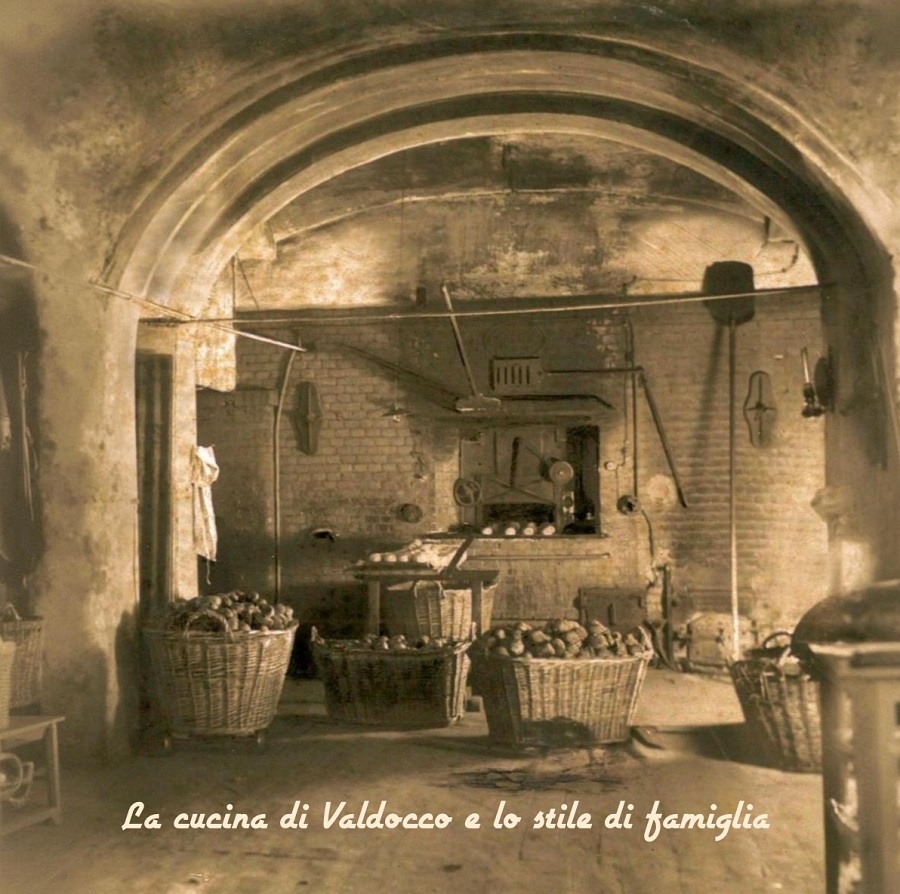
(ANS – Roma) – Se il Sogno dei Nove Anni rivela il “perché” della vita di Don Bosco, la cucina di Valdocco racconta il “come”. Nella Torino dell’Ottocento, segnata da una rapida industrializzazione e popolata da ragazzi giunti dalla campagna come apprendisti e operai, Don Bosco intercetta una povertà nuova e spesso invisibile: giovani senza famiglia, senza casa, senza protezioni. Dopo l’avvio dell’Oratorio festivo, diventa presto chiaro che non basta più incontrarli soltanto la domenica; alcuni non hanno nemmeno un letto dove dormire. La risposta di Don Bosco è semplice e radicale: «Questo ragazzo starà con noi». Così, la cucina di casa, con il fuoco acceso e la presenza di Mamma Margherita, diventa il primo dormitorio.
Le fonti biografiche raccontano come, da quel gesto iniziale, prenda forma un vero internato per giovani lavoratori: letti ravvicinati, pasti condivisi, tempi ordinati di lavoro e di studio, preghiera e gioco. Mamma Margherita non si limita a cucinare: ascolta, consola, educa, corregge con fermezza materna, insegna l’ordine e il rispetto, trasmette una fede semplice e robusta. In questo clima i ragazzi non si sentono destinatari di un’opera assistenziale, ma figli accolti in una famiglia. È qui che matura la celebre definizione dell’oratorio come «casa che accoglie, parrocchia che evangelizza, scuola che avvia alla vita, cortile per incontrarsi da amici».
In questa casa prendono forma anche i tratti concreti del Sistema Preventivo. Don Bosco è presente in mezzo ai ragazzi: in cortile, a mensa, nei laboratori. Parla, scherza, osserva, previene le situazioni di rischio e interviene prima che il male prenda il sopravvento. La correzione non è mai fredda o distante, ma inserita in una relazione personale di fiducia. L’allegria diventa una vera categoria educativa: giochi, canti, teatro, musica e feste non sono elementi accessori, ma parte integrante della proposta formativa, eredità viva di quella Società dell’Allegria nata negli anni di Chieri.
Dal punto di vista umano, l’impresa è fragile e continuamente esposta a difficoltà: debiti, affitti da pagare, cibo che spesso non basta, malattie, incomprensioni con i vicini. Don Bosco affida tutto alla Provvidenza e a Maria Ausiliatrice, senza mai smettere di lavorare con instancabile creatività: cerca benefattori, scrive libri popolari, organizza spettacoli, inventa mille modi per sostenere la casa. La sua fiducia diventa contagiosa. I ragazzi lo vedono rientrare stanco, ma sereno, con qualche segno in più della cura di Dio, e imparano così che la vita non si fonda solo sui calcoli, ma sulla fiducia e sulla solidarietà concreta.
Molti di quei giovani, una volta cresciuti, sentiranno il desiderio di fare per altri ciò che Don Bosco ha fatto per loro. Nascono così i primi Salesiani, le prime comunità e le opere che si diffonderanno nel mondo. Eppure il segreto rimane quello della cucina di Valdocco: una porta aperta, una tavola condivisa, una presenza insieme materna e paterna che rende possibile la rinascita di chi si sente scartato. Per questo, ancora oggi, ogni opera salesiana è chiamata a interrogarsi se è davvero “casa” per i giovani: non solo un servizio efficiente, ma un luogo dove ciascuno possa dire: «Qui qualcuno mi conosce, mi aspetta e mi vuole bene».
In un tempo in cui molte forme di povertà giovanile passano attraverso solitudine, frammentazione familiare e precarietà, lo stile di Valdocco resta sorprendentemente attuale. Creare case, comunità e oratori capaci di accogliere, accompagnare e responsabilizzare non è solo un ricordo del passato, ma forse il modo più fedele di celebrare Don Bosco oggi. Non basta parlare di lui: occorre avere il coraggio di trasformare, come fece lui, una semplice cucina in una profezia concreta del Vangelo della misericordia.