According to the United Nations, fossil fuels – coal, oil and gas – are the largest contributor to global climate change, accounting for around 68 percent of global greenhouse gas emissions and nearly 90 percent of all carbon dioxide emissions. A large chunk of global emissions comes from burning fossil fuels to produce electricity and heat. Most electricity is still generated by burning coal, oil, or gas, which produces carbon dioxide and nitrous oxide, which are powerful greenhouse gases. As greenhouse gas concentrations rise, so does the global surface temperature. The last decade has been the warmest on record.
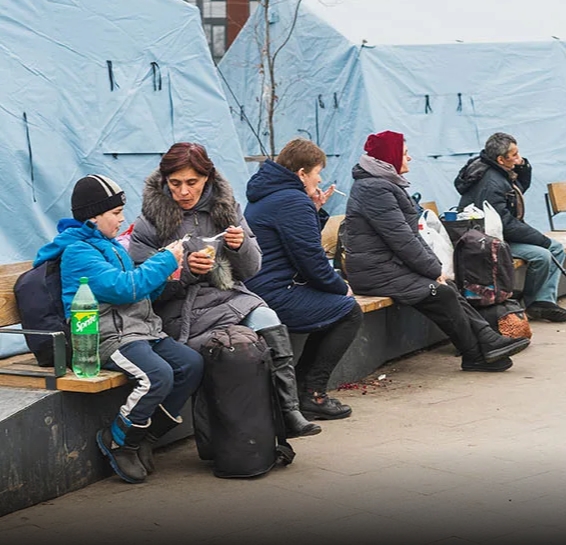
The effects of climate change are now being felt across all continents: hotter temperatures, more severe storms, increased drought, warming and rising oceans, loss of species, global rise in hunger, greater health risks, poverty and displacement. As Pope Leo XIV reminded us in his message to COP 30 at Belém in in November 2025: “Tragically, those in the most vulnerable situations are the first to suffer the devastating effects of climate change, deforestation and pollution. Caring for creation, therefore, becomes an expression of humanity and solidarity.”
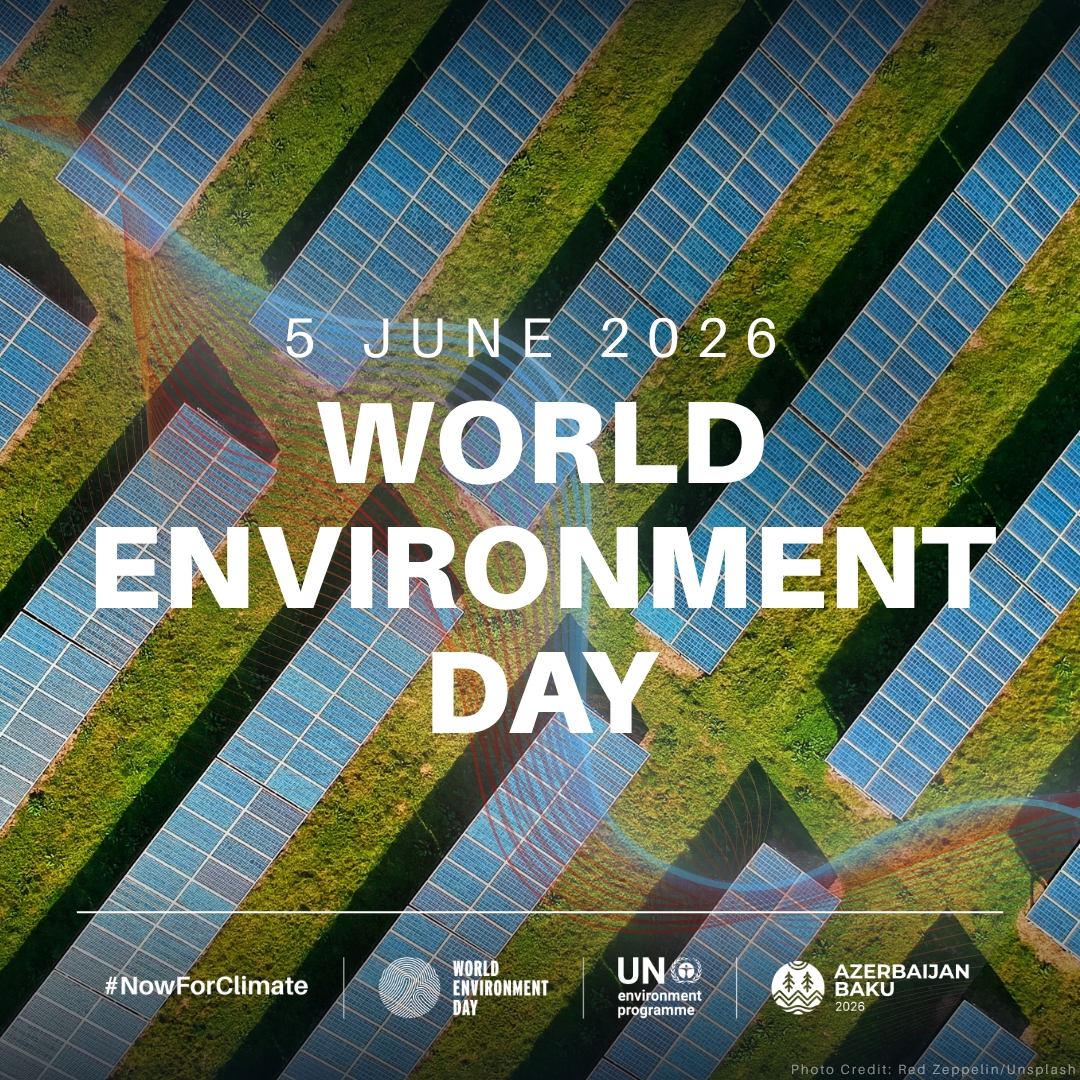
Fortunately, we are seeing signs of hope. Globally, we are witnessing a significant shift towards wind, solar and other renewable sources of energy, which, as opposed to fossil fuels, emit little to no greenhouse gases or pollutants into the air. A transition from fossil fuels to renewable sources of energy is considered the most important step towards addressing climate change.
The Salesian Congregation is deeply conscious of the climate crisis that the world is facing and has taken decisive steps to promote renewable energy in all Salesian provinces. In his Post GC28 Reflection (August 2020), the Rector Major recommended that “the Congregation undertake to achieve 100 percent of renewable energy for all provinces around the world before 2032.” Next, GC29 while speaking about “new frontiers,’ and particularly about “integral ecology,” recommended that local Salesian communities should “consider accessing renewable energy where possible” (GC29, 69).
We have now reached the halfway point of the 2020-2032 period that was envisioned for the transition to renewable energy. As we celebrate World Environment Day 2026, with its powerful call to act “now for climate,” it is a good opportunity for all Salesian provinces to evaluate what has been the progress so far in transitioning to renewable energy, and to plan the steps that need to be taken to achieve the goal of shifting over to 100 percent renewable energy by 2032.
Fr Savio Silveira, SDB
Integral Ecology Coordinator