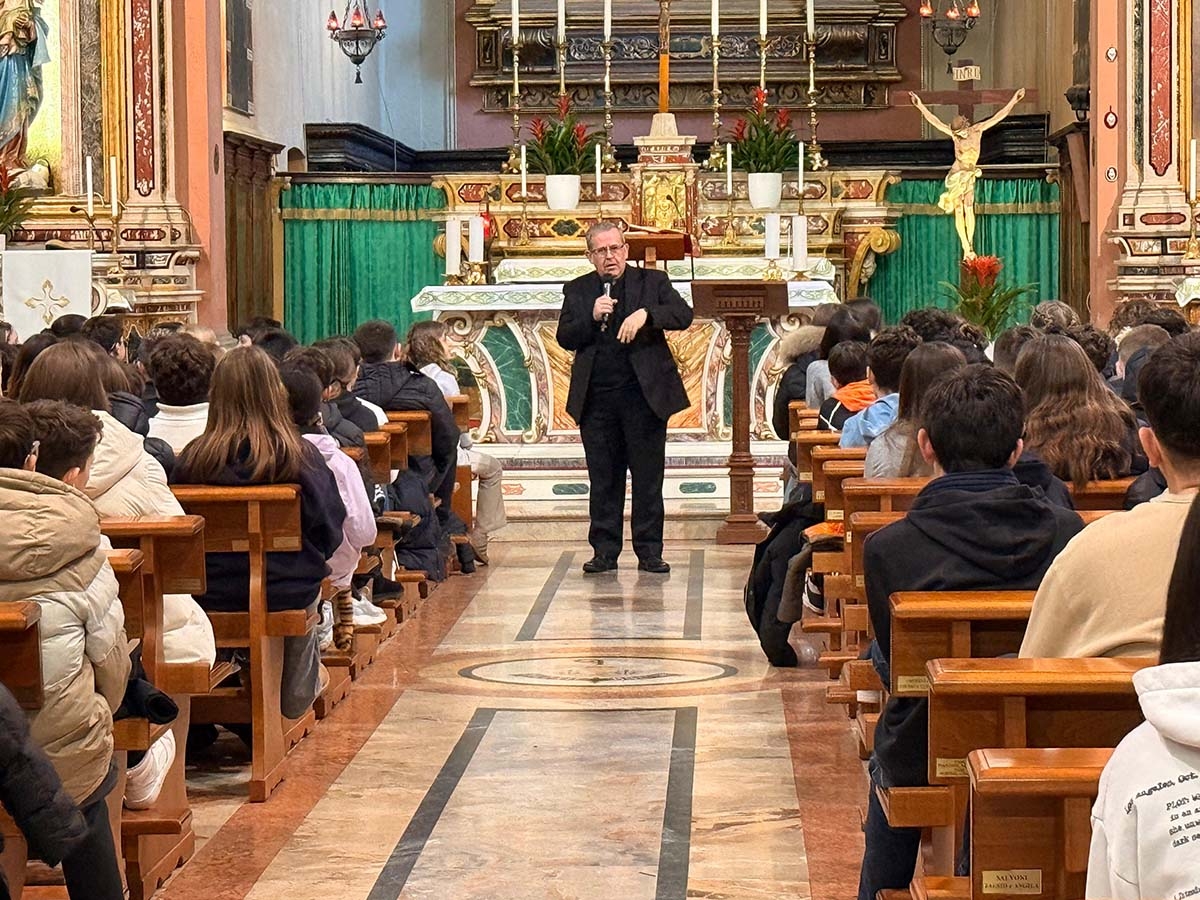
The Salesians of Don Bosco first set foot in Chiari on 23 September 1926 to provide a place for the numerous novices and aspirants from the fledgling Italian Lombardy-Emilia Province (ILE) and since then they have never ceased to rethink the religious, cultural and civic formation of the younger generations.
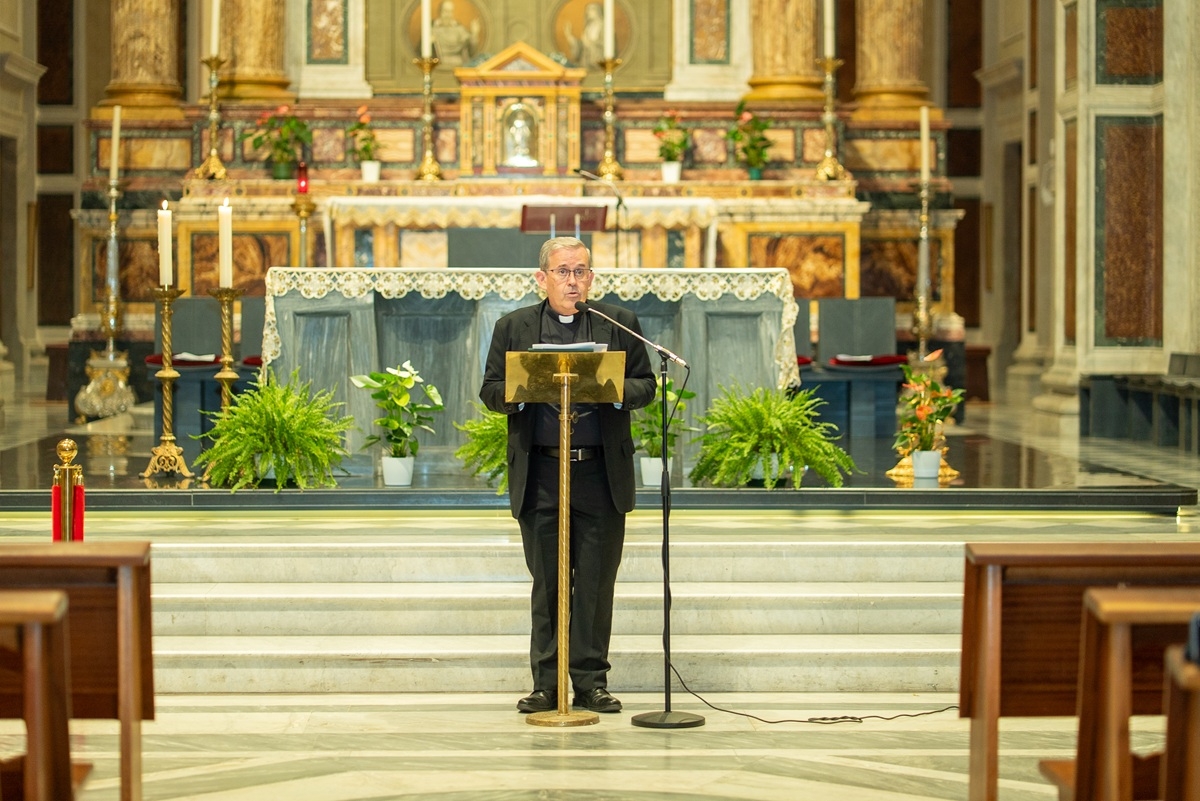
During the Eucharistic celebration, Don Bosco’s 11th successor offered three main points to the faithful present. Firstly, he emphasised that ‘Don Bosco had the courage to dream.’
‘In his dream at the age of nine, when Jesus entrusted him with the mission of transforming young people, everything seemed impossible at first glance,’ the Rector Major began. Yet, Jesus himself, when asked by young John, entrusted him to Mary, urging him to be ‘humble, strong and energetic’, and so that dream became a living reality even after more than a century and a half.
‘This reminds us that it is not so much where you are that matters, but where you want to go. We must have the courage to dream!’ remarked the Rector Major.
Fr Attard then offered a consideration that was, in a sense, the next step from the first: ‘When I have the courage to dream, I must also take responsibility for my life.’ The future, in fact, is built by committing and working together, with the help of many people. Today’s young people, especially in countries with greater opportunities, must be aware that they must dream and work for those who do not have the same opportunities as they do.
‘You know very well that many young people in the world do not have the opportunities that you have…,’ continued the Rector Major. ‘They cannot dream as you do. That is why you must take responsibility for creating a beautiful future, not only for yourselves, but also for others.’
Finally, as the third stage of his reflection, Don Bosco’s successor highlighted the importance of being authentic. ‘An authentic person is a free person. And Don Bosco was consistent: it was his authenticity that drove him to devote himself fully to the good of young people,’ observed the Rector Major, recalling that after his ordination, the Saint of Youth had other valid opportunities to carry out his ministry.
Yet Don Bosco chose the most needy and rejected young people, those whom no one wanted to deal with. For this reason, he concluded, noting that ‘in a world dominated by a culture of control, exploitation and utilitarianism, there is a need for authentic people. The weak must be helped, not trampled on’, and he invited all those present, especially the youngest, to be free, authentic and committed.
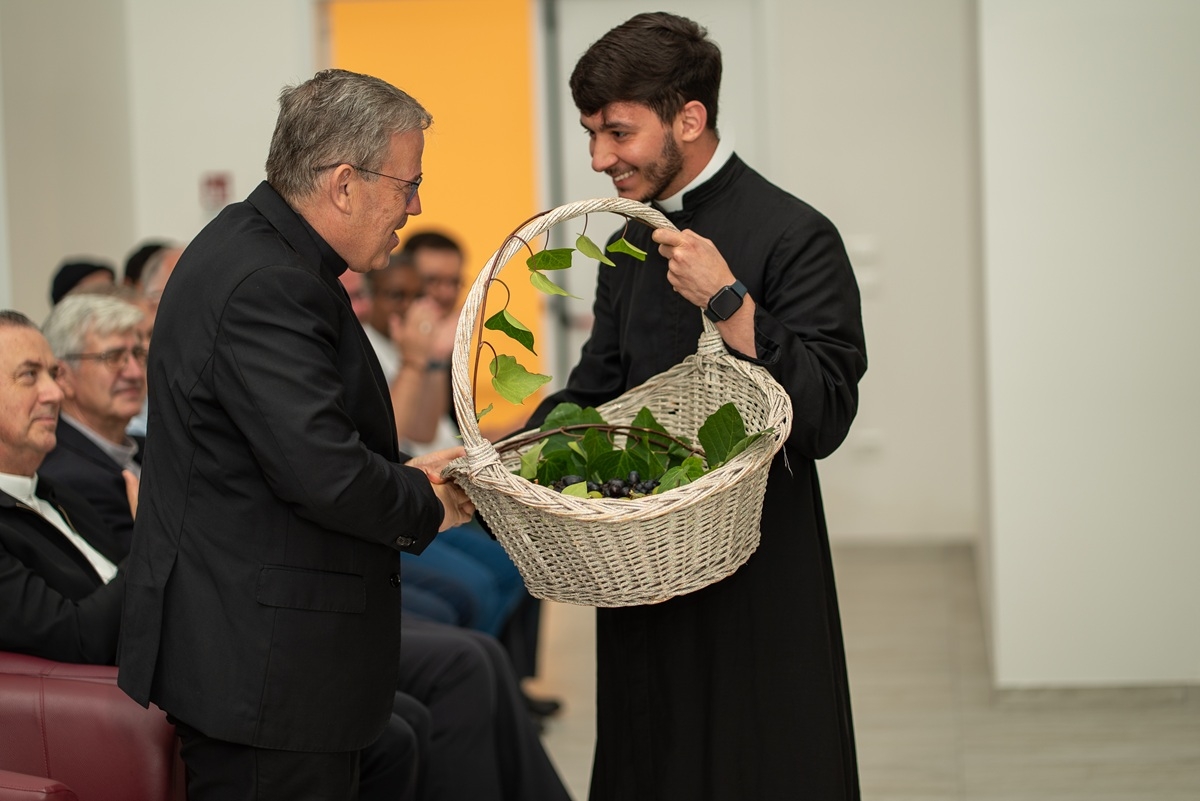
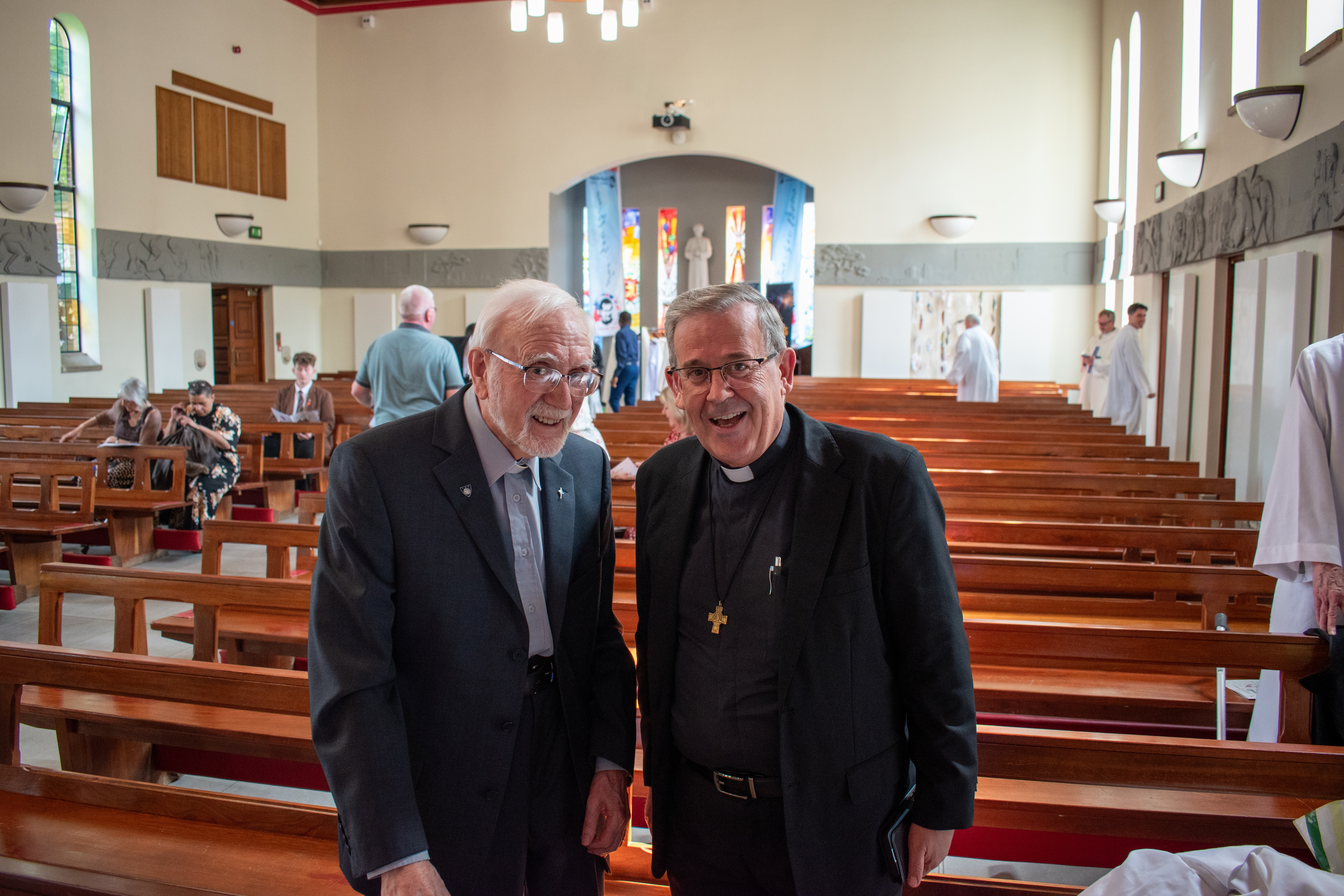
Fr Attard’s presence in Chiari, at the San Bernardino Institute, on the eve of the liturgical solemnity of Don Bosco, sealed his visit to the same place last year, a few weeks before being elected Rector Major, and reinforced the desires of a territory committed to offering children and young people tools for growth that are increasingly in tune with the Gospel and with the new challenges of today’s society.