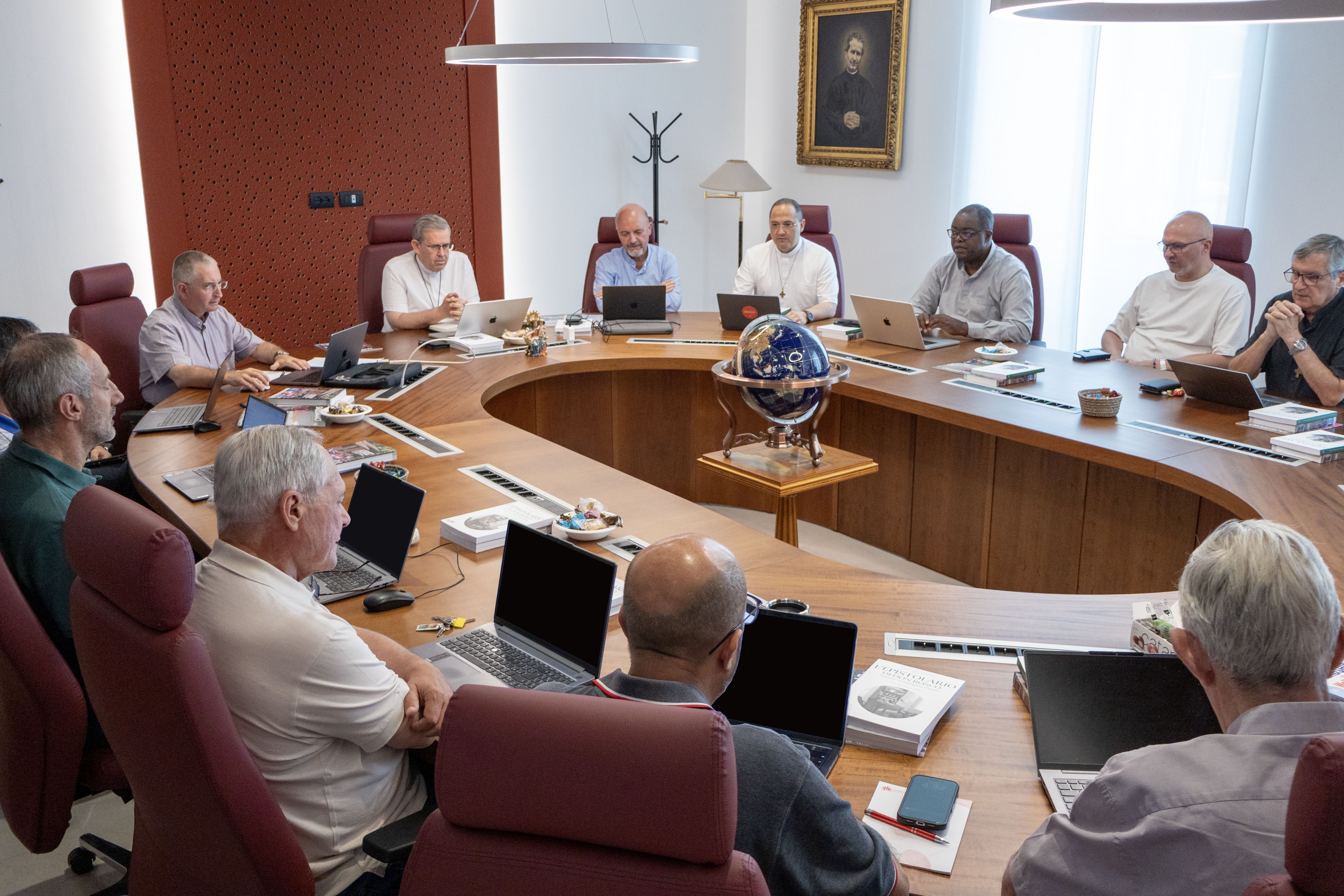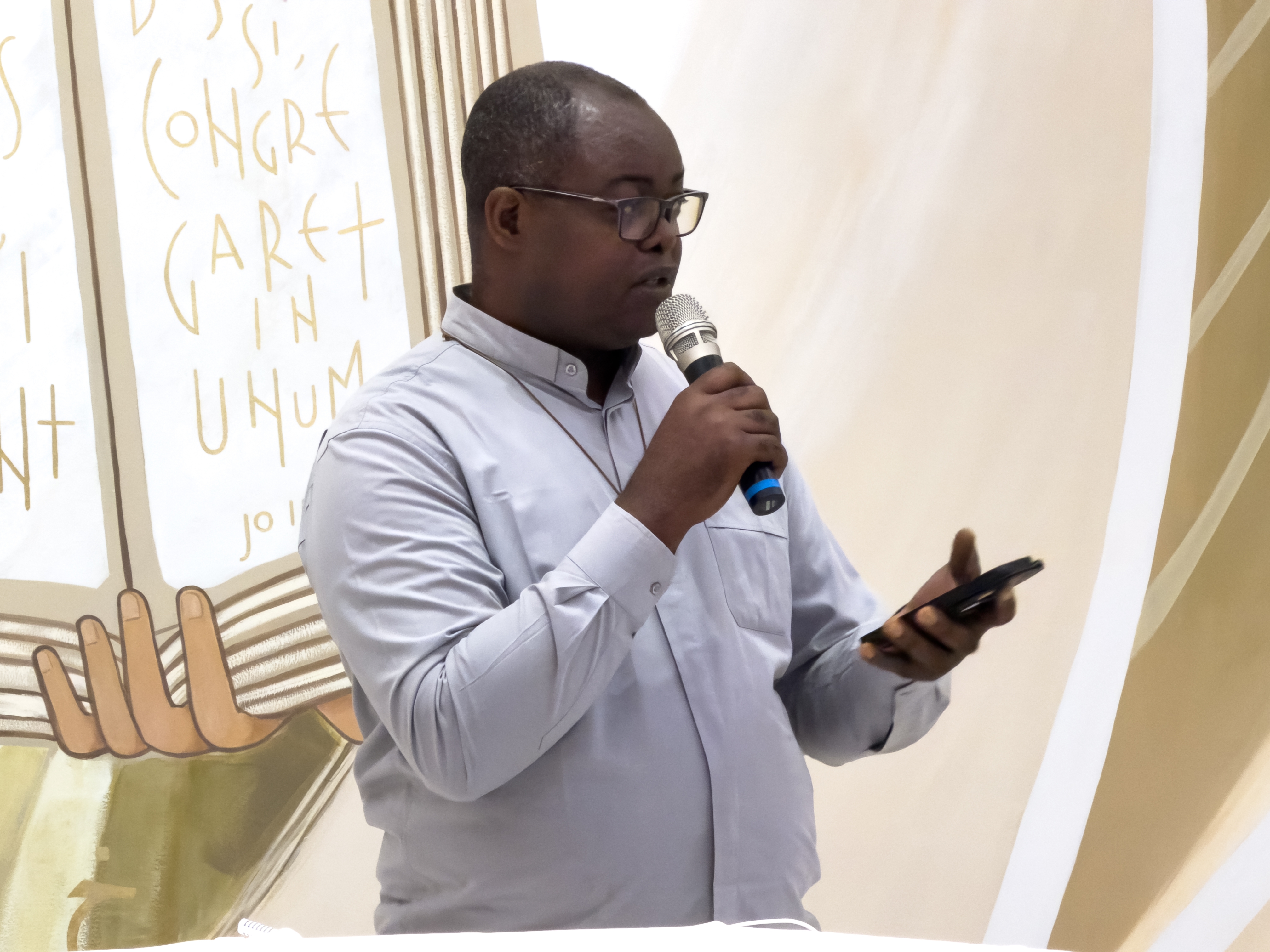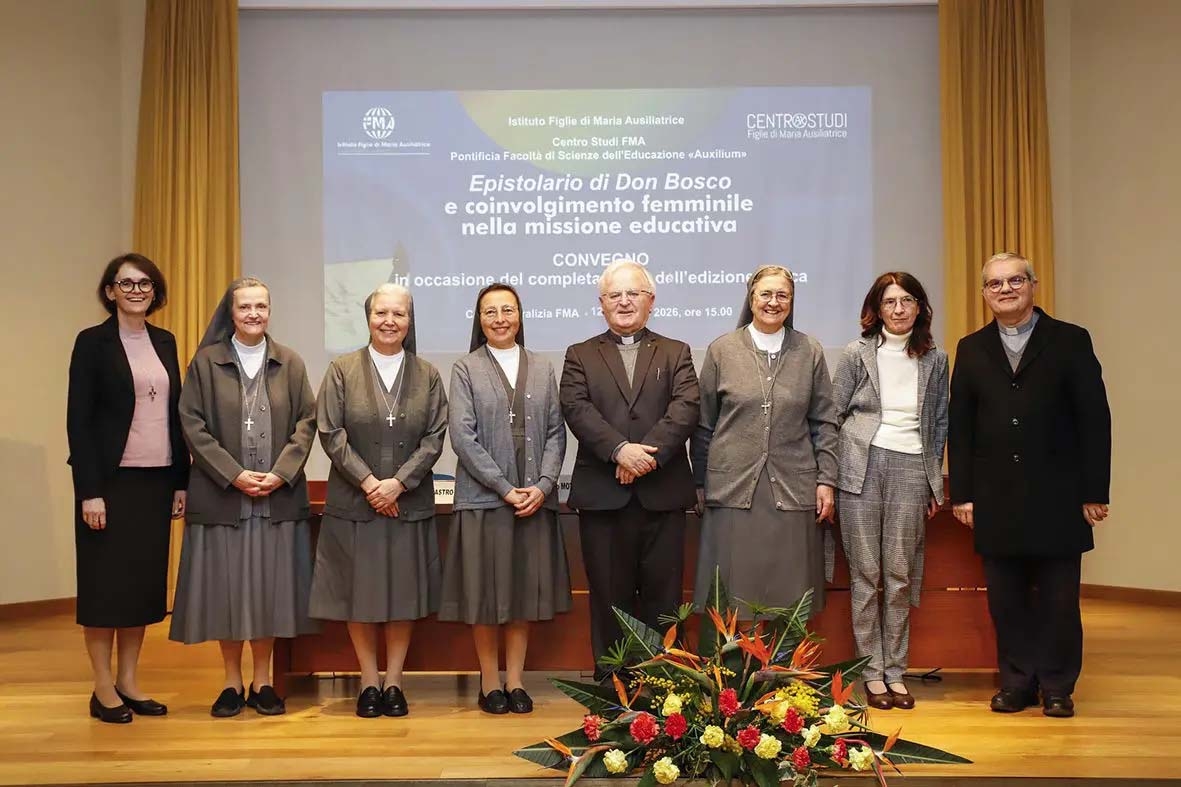
After greetings from the Mother General of the FMA, Mother Chiara Cazzuola, and the General Councillor for Formation of the Salesians of Don Bosco, Fr Silvio Roggia – read by the Postulator General for the Causes of Saints of the Salesian Family, Fr Pier Luigi Cameroni – the proceedings got underway with presentations by the scholars.
The principal of Auxilium, Prof. Sister Piera Ruffinatto FMA, analysed in depth the letters to young people between 1860 and 1879, highlighting the constant but discreet role of the Virgin Mary in Salesian educational activity: not only a devotional figure, but a mother, guide and support in the formative journey of young people and educators themselves.
Next, Salesian Cooperator Prof. Eloisa De Felice explored the theme of the relationship between Don Bosco and the lay Salesian Cooperators, examining the correspondence from the recognition of the Association of Salesian Cooperators in 1876 until the death of the Saint in 1888. Particular attention was paid to the role of the Salesian Cooperators during the cholera epidemic of 1884-1886, when they were engaged in assisting the sick at the direct invitation of the Salesian founder.
The report by Prof. Eliana Petri FMA highlighted Don Bosco’s relational skills with religious women from different congregations. The analysis of about 90 letters highlighted the construction of networks of collaboration between religious institutes during the difficult years of Italian unification, marked by tensions between the State and the Church and hostility towards ecclesiastical institutions.
Prof. Grazia Loparco FMA explored the presence of the Daughters of Mary Help of Christians in the saint’s 4,682 letters, emphasising how their role emerges as structural in educational and missionary projects. The epistolary sources reveal a relationship based on collaboration, operational autonomy and a strategic vision shared with the Salesians, while some organisational choices reveal a strategic vision of shared governance. Overall, it emerges that Don Bosco’s bond with the FMA is based on a common charismatic and educational vision, rather than on simple explicit references in the letters.
The conference was closed by the editor of the ten volumes of the Epistolary, Fr Francesco Motto SDB, who outlined the human and spiritual profile of Don Bosco that emerged from the corpus of letters. In his speech, he recalled forty years of editorial work amid philological difficulties, documentary discoveries and a growing familiarity with the figure of the saint, gained through direct contact with his writings.
The conference was followed live via streaming by several hundred people, mainly, but not only, FMA, connected from different parts of the world, thus confirming the international interest in the figure, thought and work of Don Bosco.
All the reports of the various presentations, most of which are already available online, will be published within a few months in a special volume in the Studies series of the Salesian Historical Institute.
wp-content/uploads/images/Italia - Epistolario da FMA 2026