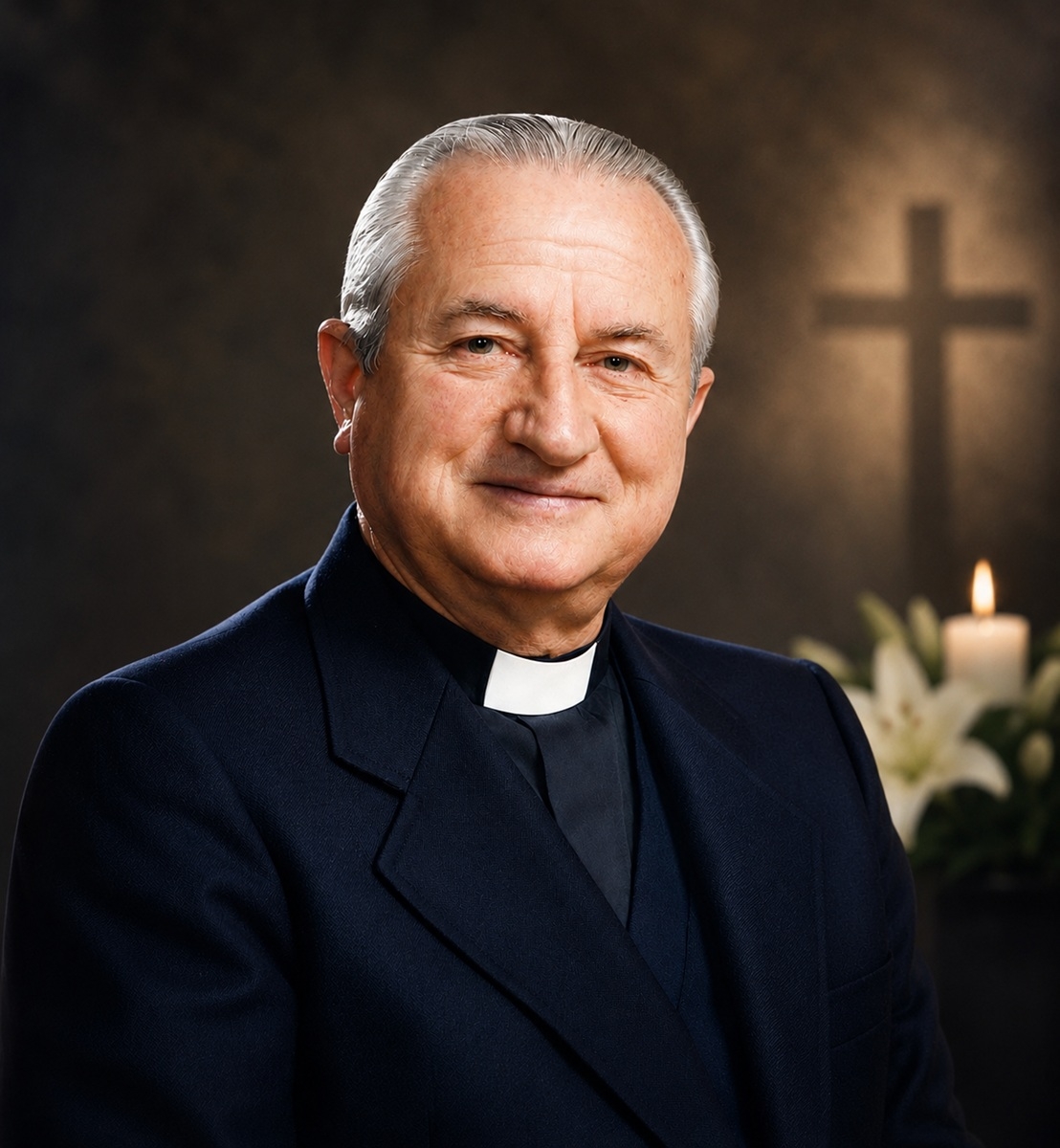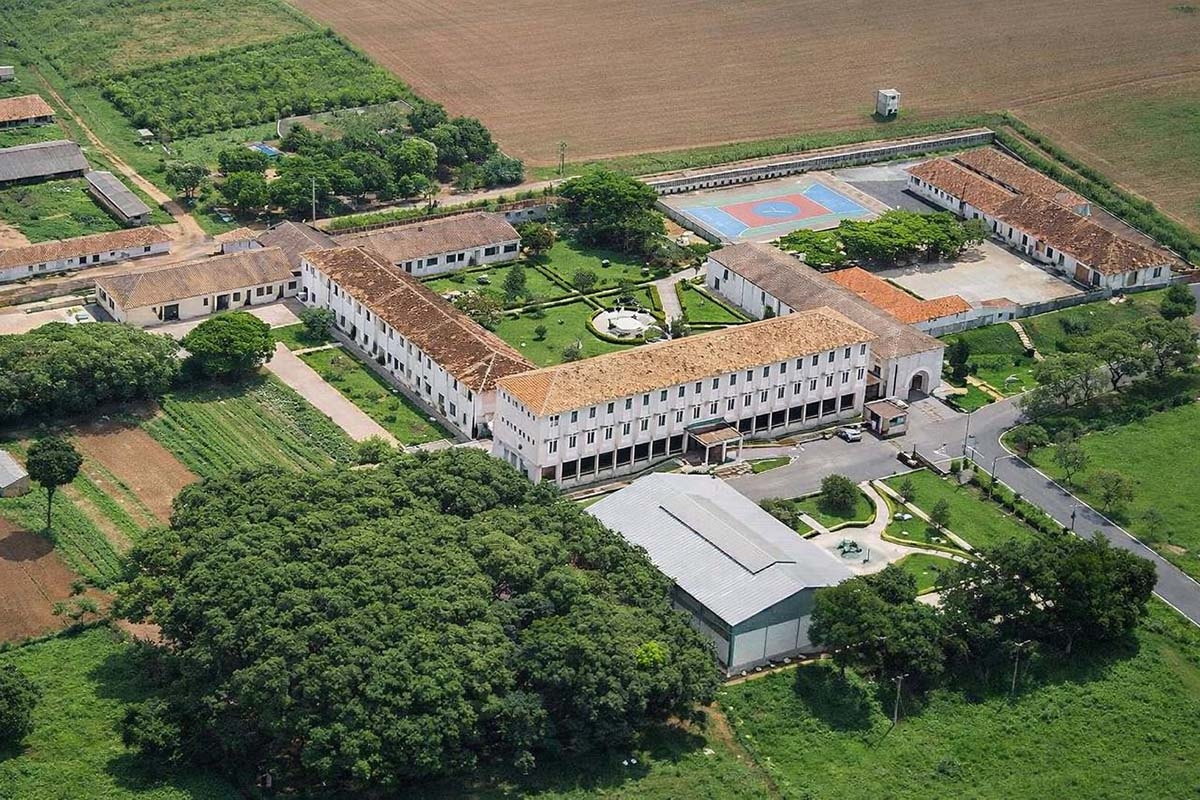
In a prophetic letter dated 1943, the then Salesian Provincial of São Paulo Brazil, Fr Orlando Chaves – later appointed Bishop of Cuiabá – already sensed that the charity sown there would attract divine blessings, planning a grandiose work that would serve both as a refuge for orphans and as a cradle for new religious vocations.
The practical genesis of this mission, however, did not wait for the completion of the imposing brick structures that today dominate the landscape of the Patafufo neighbourhood. On 3 March 1946, in makeshift camps among the construction sites, coordinated by Salesian Brother Aldo Maia da Silva, the Festive Oratory opened its doors to the first 32 boys staying at the centre. That first courtyard, pulsating with the joy typical of Don Bosco, proved an immediate success; by the end of the same year, the average attendance had already risen to 140 oratory boys, demonstrating that the real driving force behind the foundation lay in the desire of local young people to find welcome, warmth, education and accompaniment.
Over the next eight decades, the Patronato functioned as a veritable ‘school city’, where academic learning always went hand in hand with technical and moral formation. In the workshops for shoemakers, tailors, carpenters and bakers, young apprentices not only learned useful skills for their future lives, but also began immediately to contribute to the upkeep of their own homes.
At the same time, agricultural production and animal husbandry taught the value of the land and all of Creation, with memorable figures such as Fr André Roque, who conducted important botanical experiments with sorghum at the Patronato, and Fr João Bertoldi, whose technical expertise in the orchard was as remarkable as his dedication in the confessional.
This total immersion in work and prayer formed generations of ‘good Christians and honest citizens,’ many of whom became influential consecrated persons or exemplary professionals.
The Institute’s journey has also been marked by moments of resilience that have forged the character of its community, such as the severe water crisis faced in the late 1950s. During the months of severe drought, the water supply collapsed, forcing students and Salesians to travel long distances to bathe collectively in the Ribeirão Paciência river, maintaining personal hygiene with only the little water judiciously distributed by Salesian Brother Francisco do Val.
Such challenges never diminished the esteem that the people of Pará de Minas had and continue to have for the work, visible in the naming of various city streets in honour of the Salesians, such as those dedicated to Fr Pedro Rosa Zanor and Fr Ambrósio Newton, and in the consecration of Don Bosco as Patron Saint of Education in the municipality in 2003.
Today, under the name Centro Giovanile Salesiano ‘São Domingos Sávio’, the institution continues to honour its past while adapting to the needs of the 21st century. Operating as a philanthropic organisation dedicated to strengthening family and community ties, the Patronato offers computer, music, sports, art, judo, academic support and entrepreneurship workshops for young people in vulnerable situations.
With the support of the BBH St John Bosco Province and a vibrant network of Past Pupils and collaborators, the work reaches its 80th anniversary, reaffirming itself as the ‘darling’ of Pará de Minas, a beacon of hope that remains faithful to the Salesian pedagogy of loving kindness and presence among young people.