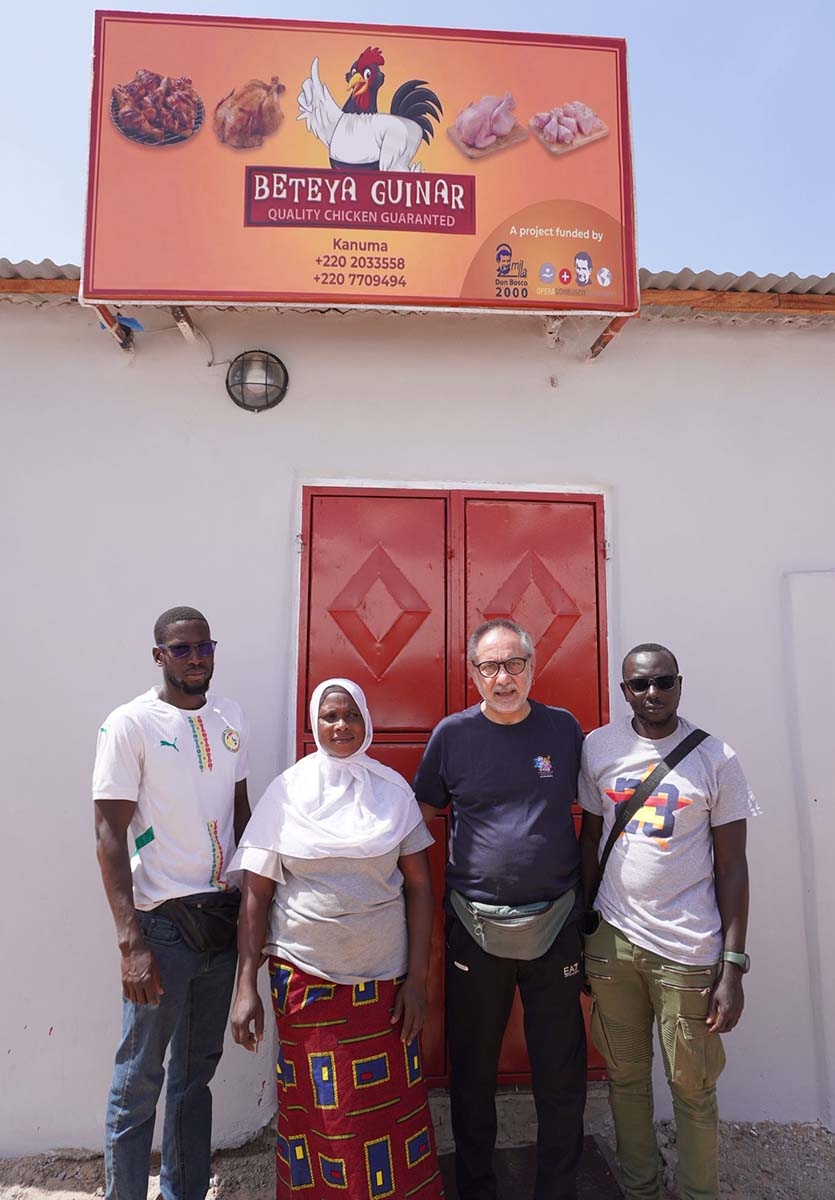
The opening of the shop completes the poultry supply chain launched in recent years, which saw the project progress from the formation of local operators and production in the poultry houses to the direct sale of products on the market. The renovation of the poultry house, now fully operational, and the launch of poultry production with regular breeding cycles have created an integrated supply chain capable of generating employment and skills in the region, thanks also to the formation of local operators carried out through cooperation between Gambia and Senegal.
The opening of the Beteyà Guinar shop represents a decisive step towards the project’s economic sustainability, enabling the direct sale of products and completing the production cycle from production to distribution. The initiative also has a tangible impact on the local community of Kanuma, where until now anyone wishing to buy chickens or poultry products had to travel several kilometres to reach the nearest markets. The presence of the new boutique creates a stable local market, facilitating access to products, reducing travel costs for the population and stimulating new economic dynamics in the area.
“This project demonstrates that cooperation can generate real development,” says Agostino Sella, President of Don Bosco 2000, “when local economic supply chains are built that are capable of creating jobs, skills and autonomy. “With the shop, we are completing a journey that brings together formation, production and the market.”
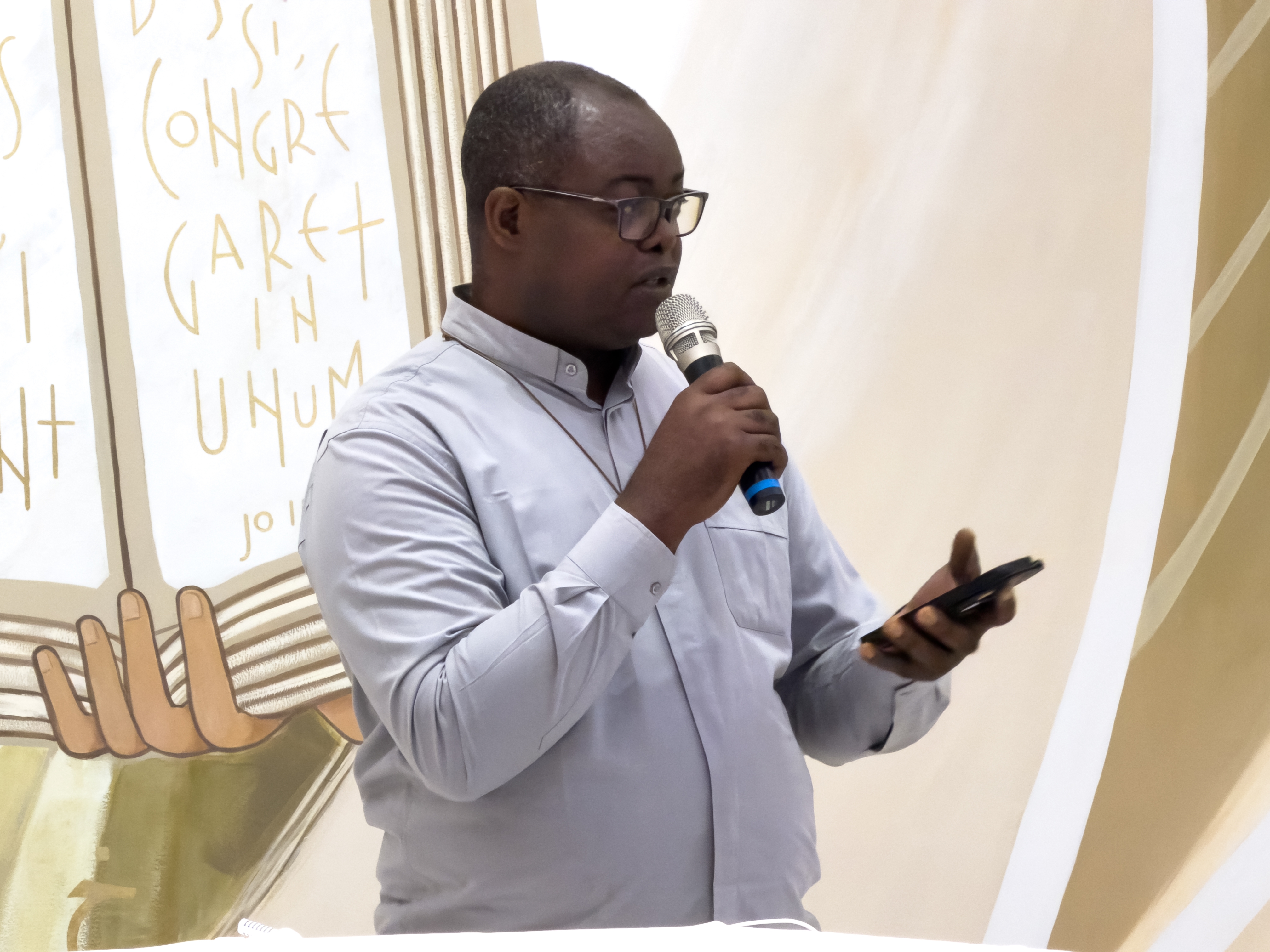
Abie Jawarà, a representative of the community benefiting from the project, also spoke at the opening, expressing gratitude to the organisations involved and emphasising how their support had made it possible to create a tangible opportunity for the area and for the families in the community.
A key role in the operational implementation of the initiative was played by Gerome Djiba, a Don Bosco 2000 circular aid worker based in Gambia, who highlighted how the project is the result of a collaborative effort between local communities, operators and international partners, and that the boutique represents an important step towards directly linking local production to the market, thereby strengthening the community’s economic autonomy.
The circular cooperation model promoted by the Don Bosco 2000 Association aims to link regions and skills between Europe and West Africa, fostering the exchange of know-how and the creation of local economic opportunities. The initiative launched in The Gambia is therefore part of a broader approach already successfully tested in Senegal and now aims to strengthen a replicable model of sustainable local development. The project was funded by the “Fondazione Opera Don Bosco nel Mondo”.