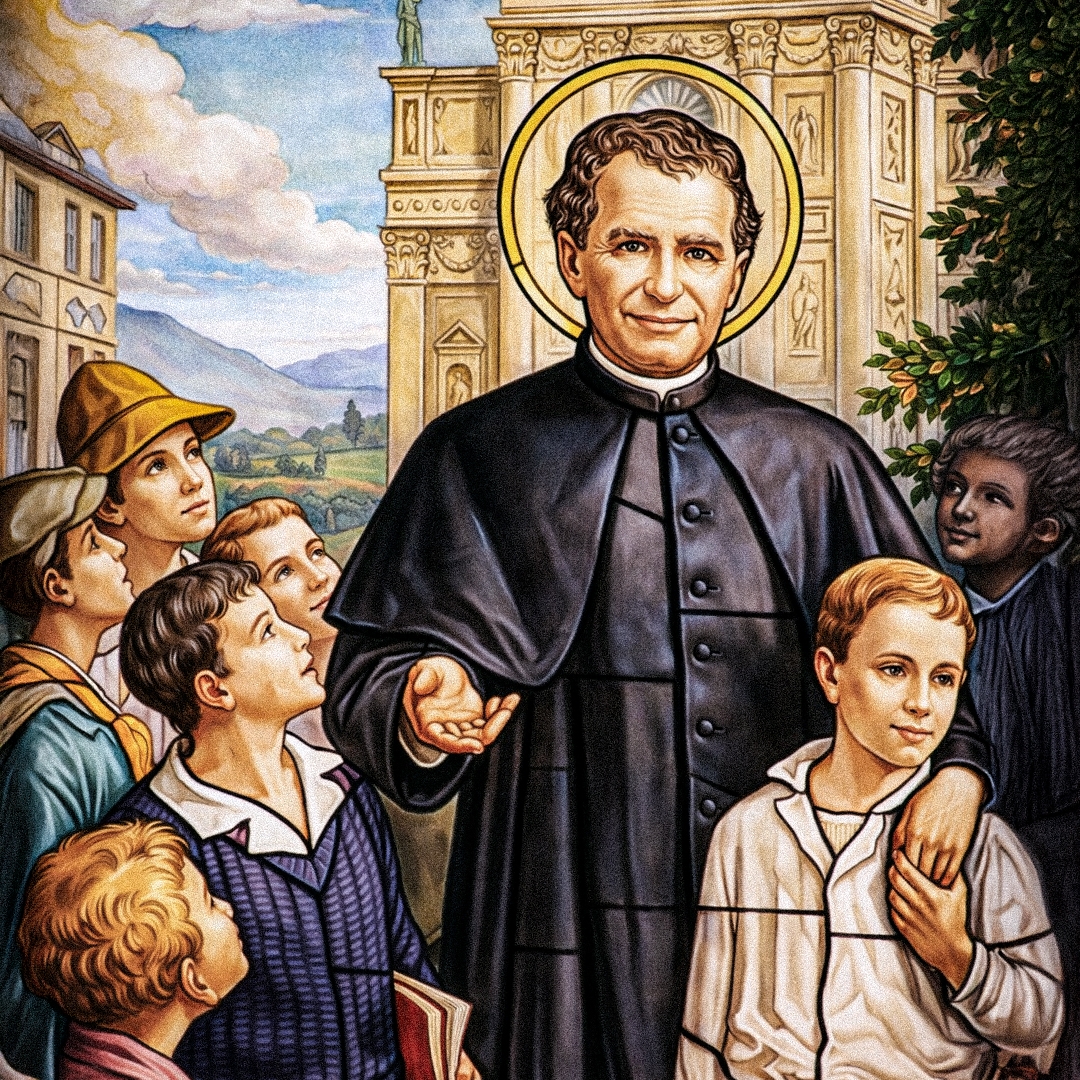
Biographies recount numerous episodes that show how Don Bosco knew how to correct with gentleness, intelligence and creativity, avoiding any form of humiliation. Sometimes he confronted the boys with the truth about themselves through small gestures or situations that brought out their mistakes without exposing them to ridicule; at other times he patiently accompanied serious conflicts, helping people to reconcile. The young people observed and learned: they understood that correction can be a path to peace, not a condemnation.
The first and most famous episode is his encounter with Bartolomeo Garelli on 8 December 1841, in the sacristy of St Francis of Assisi. A sacristan, seeing that the boy was unable to serve Mass, insulted and struck him. Don Bosco immediately intervened: “Why are you mistreating that boy? Call him, he is my friend”. He sat him down next to him, spoke to him with respect, took an interest in his life and concluded by proposing a simple catechism, beginning with a Hail Mary. Thanks to his mercy-filled gesture, a violent correction gave rise to an educational relationship: for Bartolomeo, a journey of faith and friendship began that would become the first seed of the Oratory.
A second episode concerns Michael Magone, a lively young man and natural leader, who suddenly goes through a period of withdrawal and sadness. Don Bosco does not reproach him or label him; he observes, waits and then gently invites him to open his heart, assuring him that he only wants what is best for him. Michael bursts into tears, confides his inner difficulties, is accompanied to a good confession and regains his serenity. Correction comes through listening and trust, not public judgement.
A third anecdote shows Don Bosco talking to an English educator who boasts of maintaining discipline through punishment. Don Bosco responds frankly but without harshness: he explains that the true foundation of education is not the cane, but an authentic religious life, supported by confession, communion and Mass. Without these means, he says, one is forced to resort to threats. The interlocutor, struck by his words, recognises their truth and leaves corrected, not humiliated.
This same logic emerges in the guidelines for confessors and educators. Don Bosco recommends helping young people to open their consciences and correcting them with kindness, because harshness closes the heart and alienates. If a young person feels judged, they will stop talking about what really matters. Correction, on the other hand, must encourage, indicate possible steps and always leave a glimpse of the future.
From these episodes, some fundamental criteria of his pedagogy emerge:
- Inner calm: those who correct must control themselves, so as not to confuse education with pride or anger.
- Preference for personal dialogue: whenever possible, correction should be done in private to safeguard the dignity of the young person.
- Mercy and hope: mistakes do not define a person; every young person is greater than their mistakes.
This pedagogy of mercy is not weakness, but evangelical strength. Don Bosco looks to St Paul and above all to Jesus, who corrects the apostles with patience, bears with their frailties and continues to call them friends. It is this style that he proposes to the Salesians and to every educator: correct, yes, but without humiliating; reprimand, yes, but always leaving the door of trust open.
In a time marked by immediate judgement and public shame, Don Bosco’s anecdotes of mercy point to a different path: that of those who truly believe that every young person can start again.