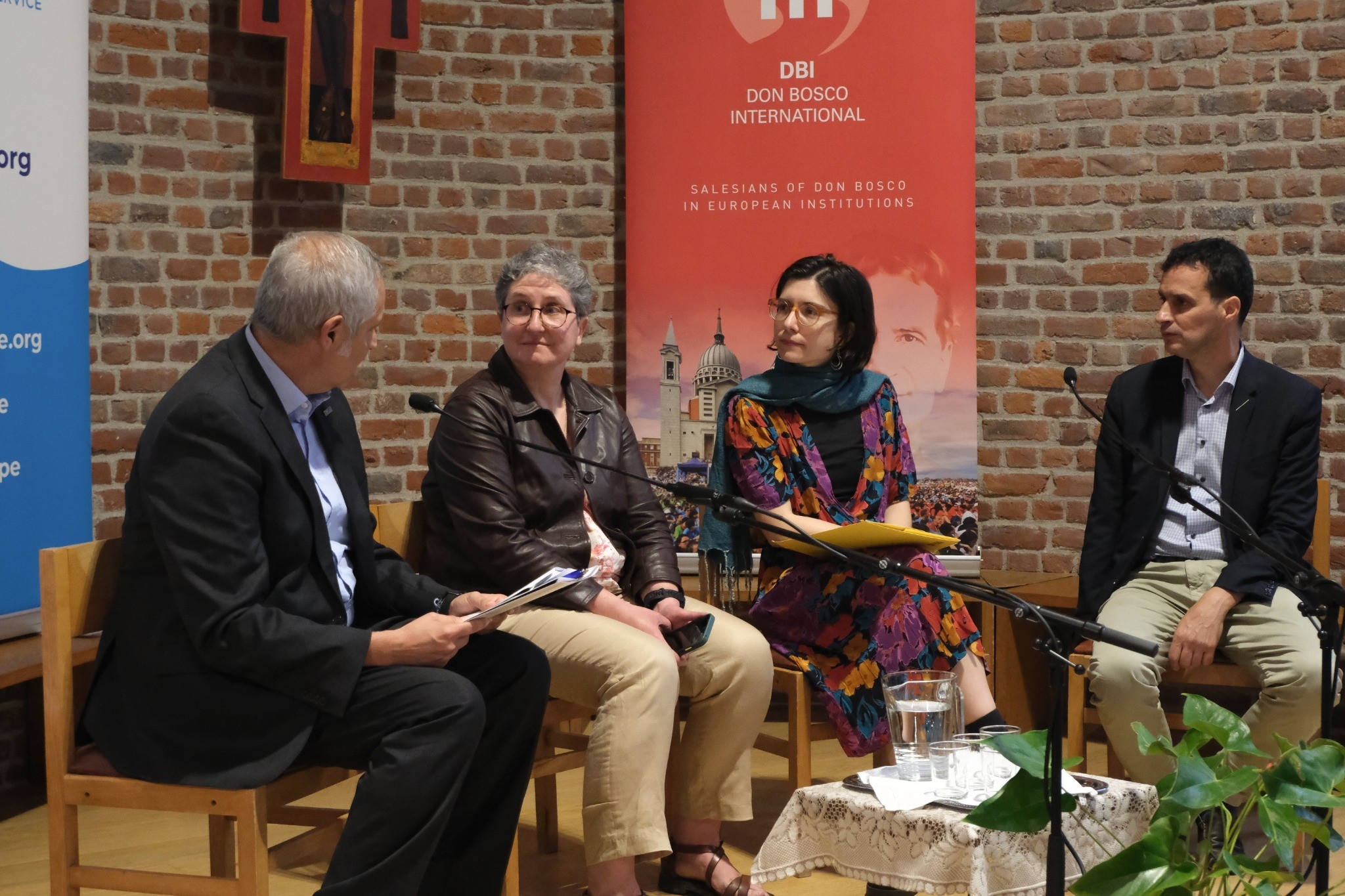
Bringing together representatives of civil society, practitioners and individuals committed to migration issues, the gathering created a space for dialogue and exchange rooted in lived experience. In a context often marked by polarisation and uncertainty, the event underscored hope, dignity and hospitality as essential principles for building inclusive responses to migration and refugee integration throughout Europe.
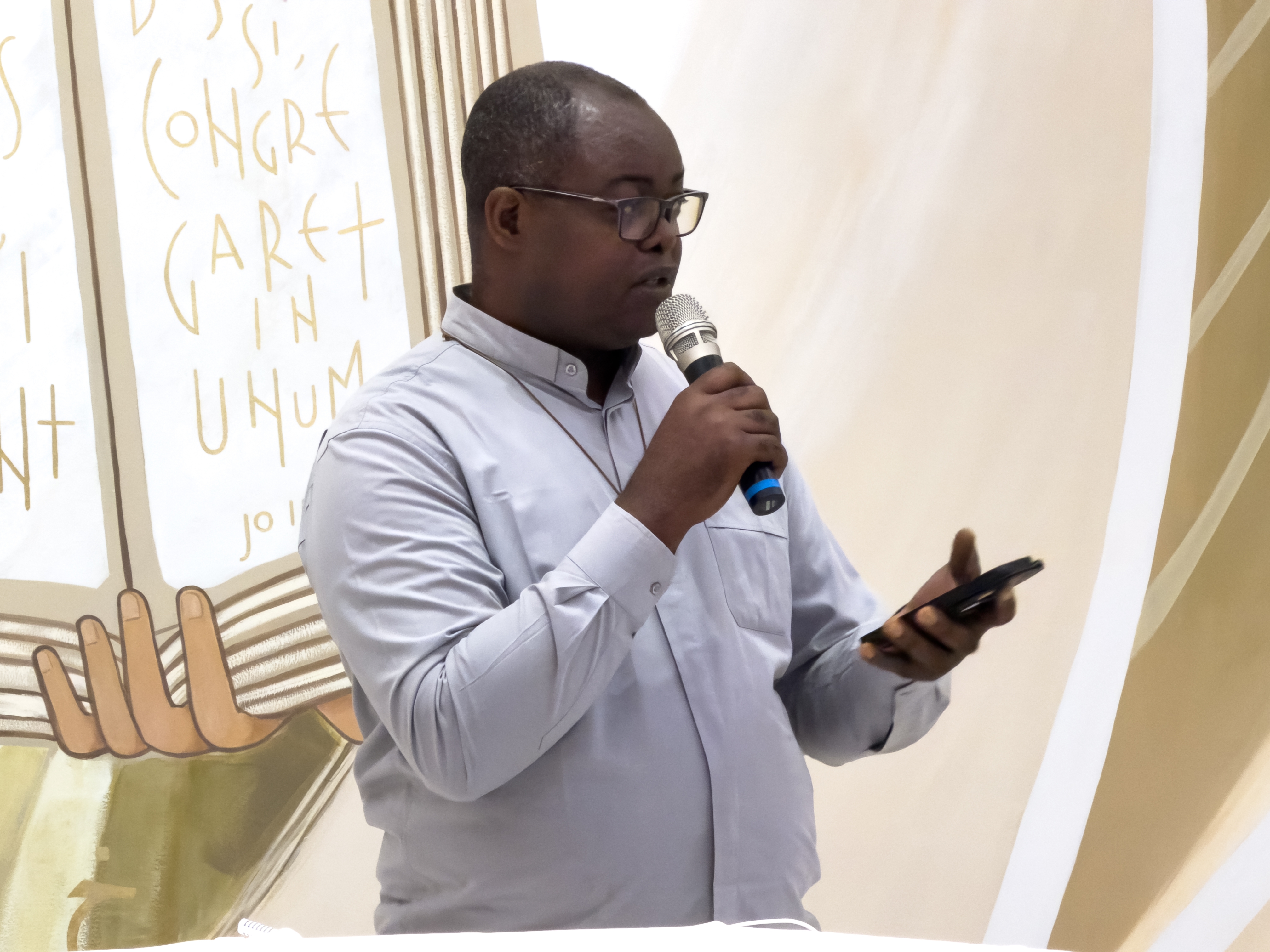
The programme opened with a powerful testimony from Elvis Ng’andwe of the Africa Europe Faith & Justice Network, who shared his personal journey and reflected on the realities and resilience of migrants. This was followed by a round table discussion on best practices, moderated by Fr Alberto Ares, SJ, Regional Director of JRS Europe. Panellists presented concrete initiatives that demonstrate how local communities can foster integration and social cohesion.
Among the speakers, Ms Cécile Robilliard, General Director of Bosco‑Avenir, represented the Salesian Province of France, presenting the “Garelli 95” project dedicated to unaccompanied minors. Through education, preventive approaches and strong community support, the initiative offers young migrants pathways towards integration and personal development. Ms Robilliard also shared testimonies from the young people involved, highlighting both the challenges they face and the successes achieved.
Further contributions included Gonçalo Macedo of the Community of Sant’Egidio in Brussels, who spoke about the Kamiano Soup Kitchen as a concrete expression of solidarity, and Mariza Koronioti of JRS Europe, who reflected on hospitality as a transformative path that nurtures hope and restores dignity.
The evening concluded with an informal networking moment, enriched by refreshments prepared by an Indonesian refugee entrepreneur, a tangible sign of encounter, participation and inclusion.
By placing human stories at the centre, “Where Hope Meets Hospitality” helped shape a narrative that recognises migrants and refugees not as passive recipients of aid, but as persons with dignity and active contributors to society. Recalling the urgency of this commitment, participants echoed the recent words of Pope Leo during his visit to the Canary Islands. Fr Ares echoed his words at the conclusion of the event: “What kind of world have we built, if so many of our brothers and sisters have to risk death in search of life? We cannot grow accustomed to counting the dead. Human dignity has no passport, nor does it lose its value when crossing a border… Because today, here, by the sea, every life that arrives asks us what remains of our humanity. Sooner or later, it will become clear whether we were able to safeguard it or whether we let indifference speak for us.” (Pope Leo, 2026). It remains a question that continues to challenge Europe to respond with courage, solidarity and hope.