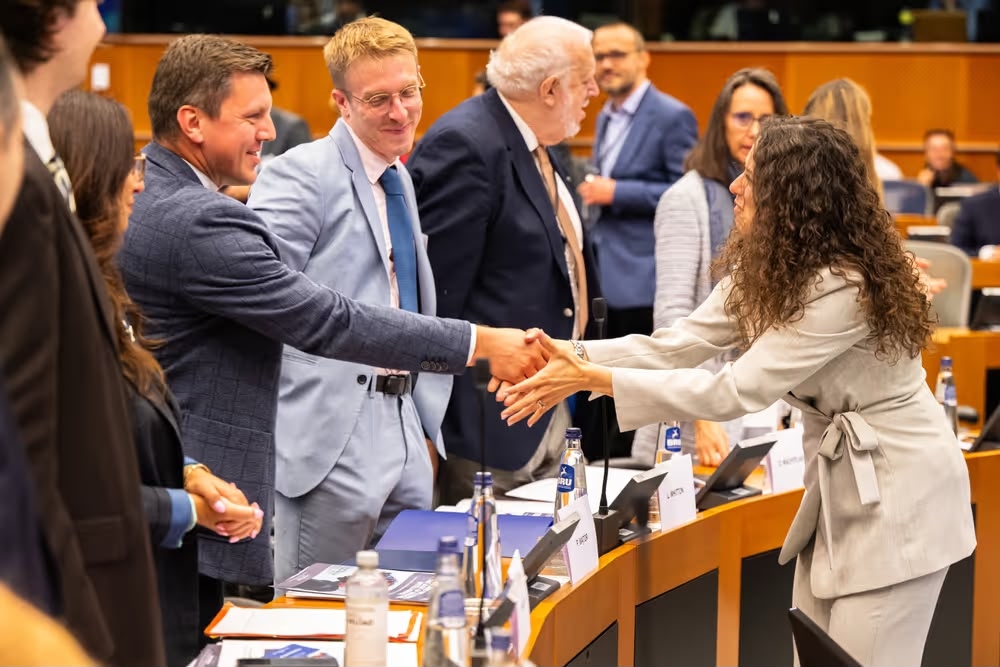
The seminar aims to foster a structured and inclusive dialogue on the implications of AI for human relationships, community life, and individual well-being. Particular attention is given to emerging challenges such as digital isolation, online harm, and the erosion of social bonds; phenomena that increasingly affect the mental, emotional, and social health of individuals and communities across Europe. In this context, participants explored how values-based actors and civil society organisations can contribute to safeguarding human dignity in an increasingly digitalised environment.
At the request of Vice-President Antonella Sberna, the programme included a dedicated panel focusing on youth, recognising the specific and often disproportionate impact that digitalisation and artificial intelligence have on children, adolescents, and young people. This panel, provisionally entitled “Born digital, seeking meaning: young people navigating AI, isolation and well-being,” reflects the shared conviction that young people should not only be considered as beneficiaries of policies, but as active contributors to the debate.
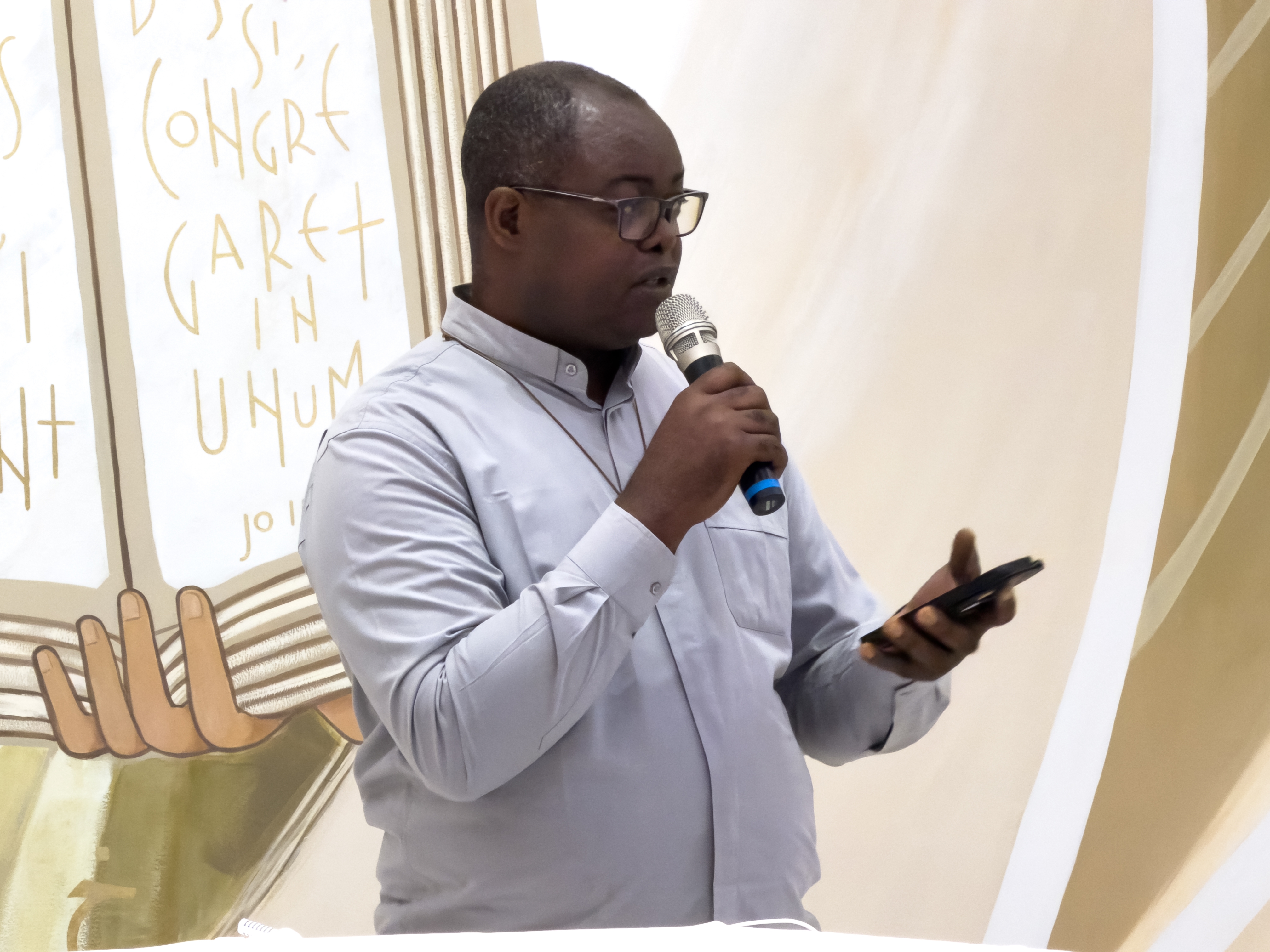
On behalf of Don Bosco International (DBI), Prof. Paweł Wątor SDB, Professor at UPS and member of the Youth Ministry Department, has been invited to contribute to this discussion as a guest speaker, offering a perspective grounded in his extensive experience accompanying young people across Europe. As a representative voice of youth at the European level, Prof. Wątor’s intervention highlighted the lived realities of young people navigating digital spaces, where they often experience loneliness and social isolation. In response to these current challenges, he called for more substantial investments to enhance community-based approaches, education, and preventive measures as key tools in addressing digital risks and fostering well-being.
This initiative formed part of the broader Article 17 TFEU dialogue mechanism, which promotes open, transparent, and regular engagement between the European institutions and churches, religious associations, and philosophical organisations. Within this framework, the seminar represented an important opportunity to ensure that ethical, social, and human-centred perspectives remain central in shaping Europe’s response to technological change.
{gallery}Belgio – Intervento d Wator 2026{/gallery}