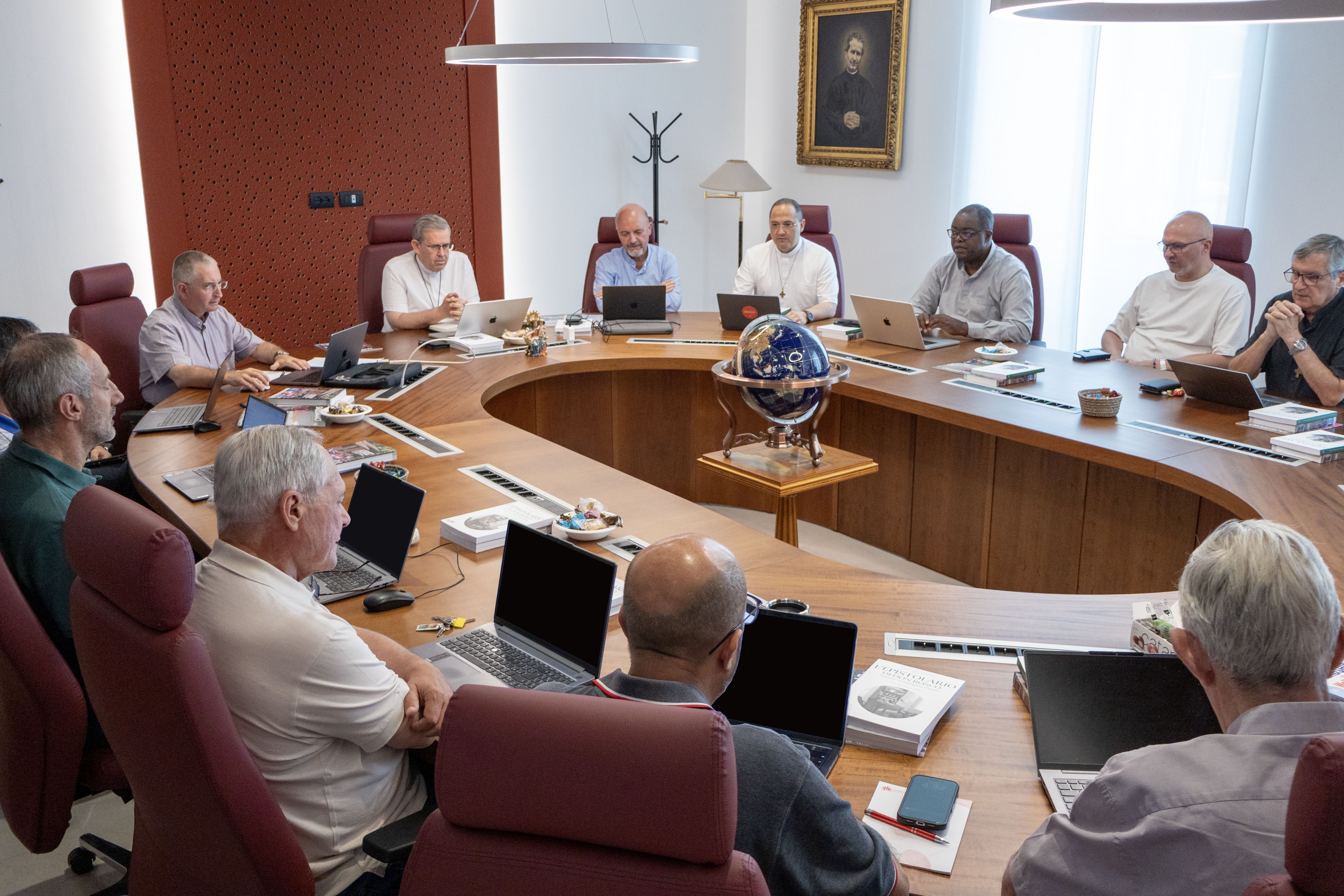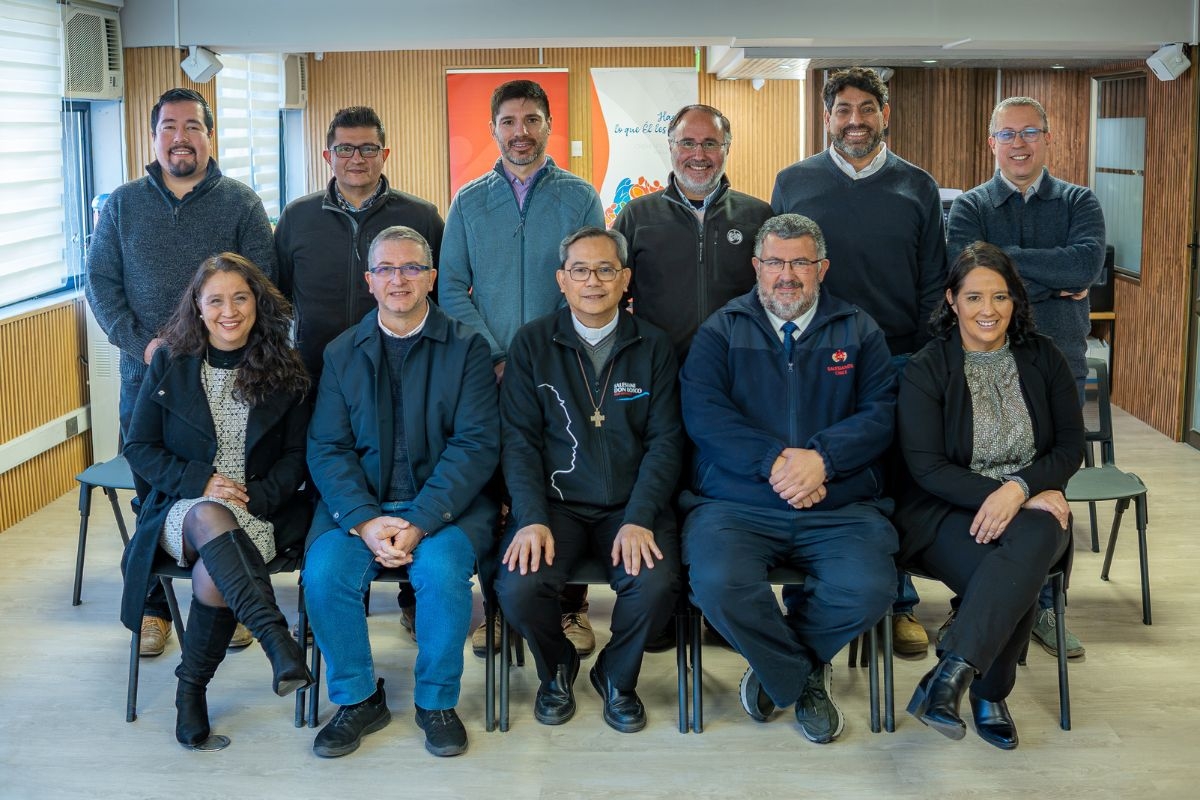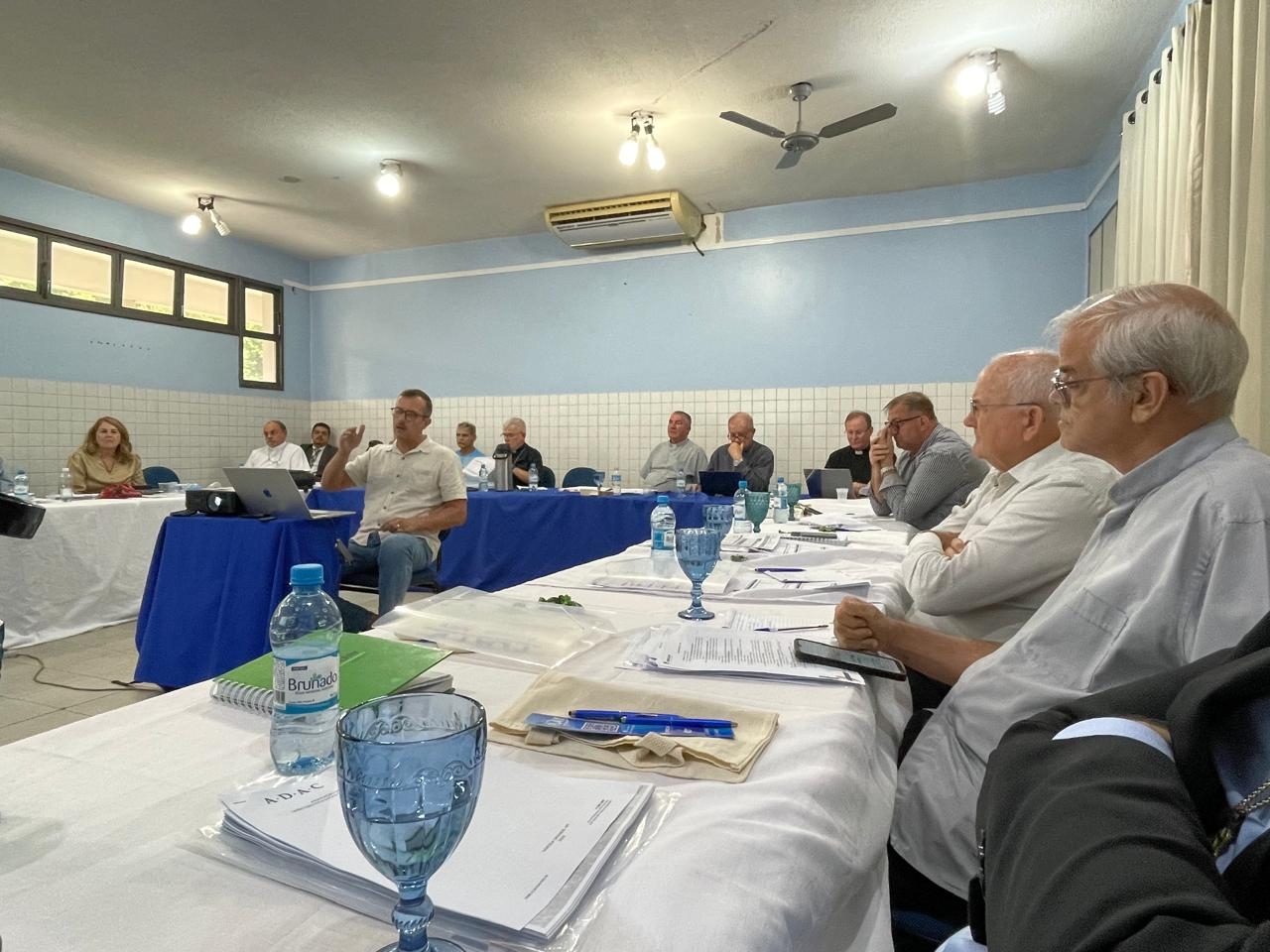
The initiative was presented at the invitation of the Rector of the institution, Fr Edson Sestari, and brought together the eight bishops of the dioceses of the Regional Conference: Barra do Garças, Cáceres, Diamantino, Juína, Primavera do Leste-Paranatinga, Rondonópolis-Guiratinga and Sinop, as well as several representatives of the Salesian St Alphonsus Liguori Province of Campo Grande, Brazil (BCG) and state public authorities.
The project uses technology to preserve indigenous languages
The Indigenous Platforms project is an educational tool that uses technology and artificial intelligence to help in the recovery, preservation and teaching of indigenous languages. The proposal also aims to support the formation of teachers working in the communities.
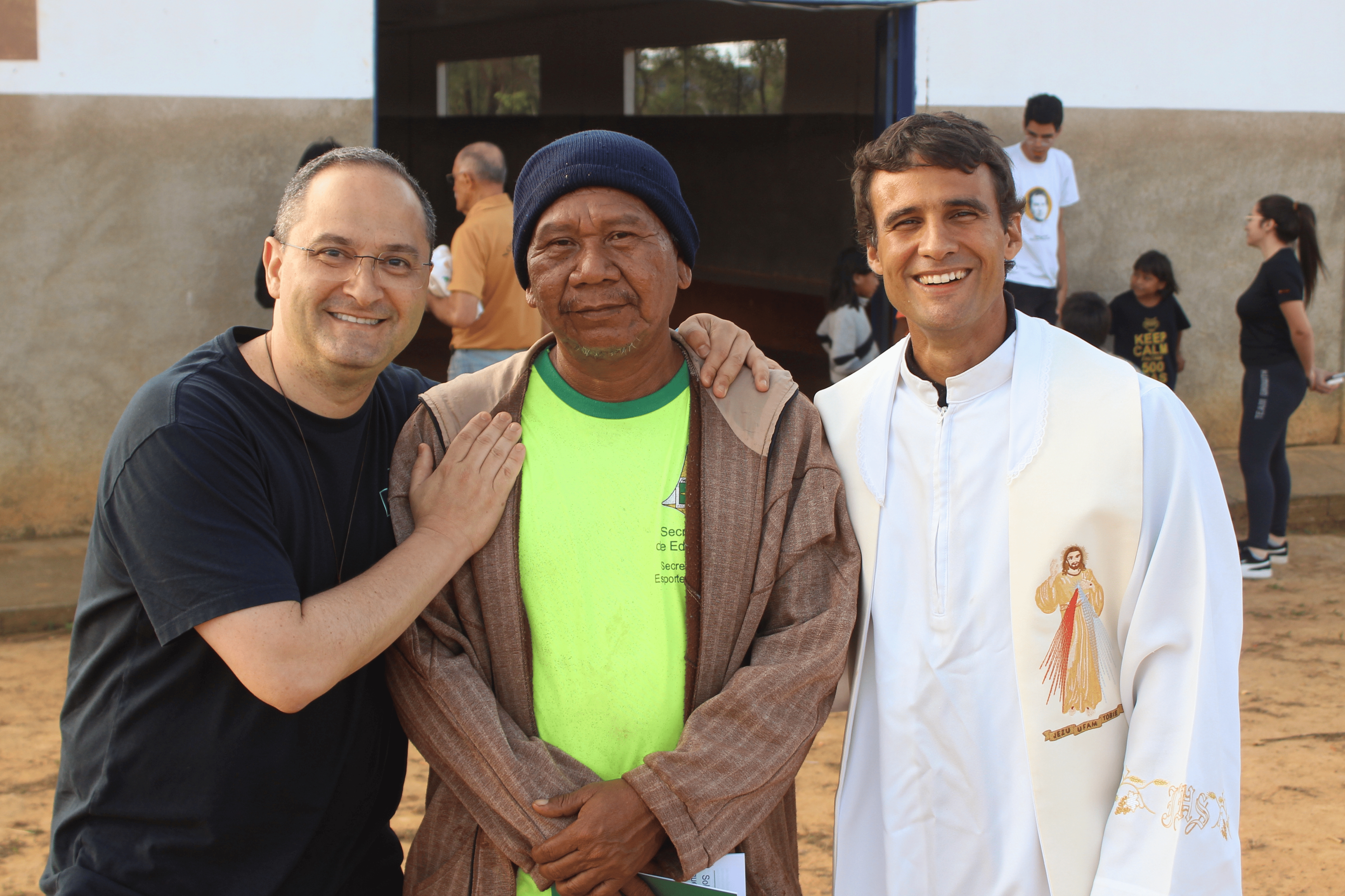
The initiative began with the Boe-Bororo people and currently also involves other ethnic groups in the state of Mato Grosso interested in participating in the process. The platform allows for the collection of content, language recordings and educational materials, facilitating access to knowledge and strengthening the cultural identity of indigenous peoples.
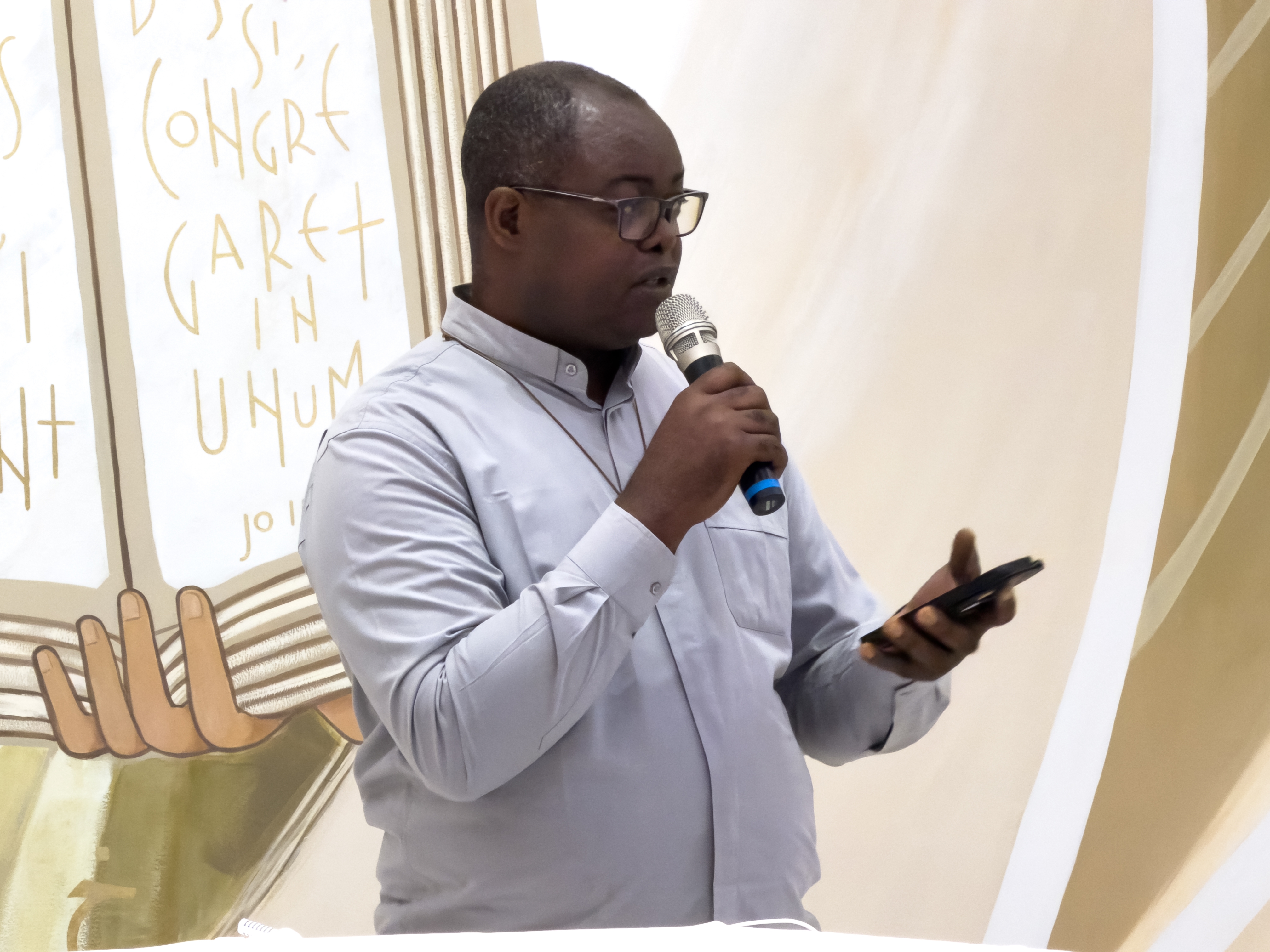
According to Prof. Ferraz Gerardi, the tool can help expand educational opportunities in communities. ‘Indigenous platforms not only overcome certain difficulties, but also open up a new path to quality education for indigenous peoples,’ he emphasised.
The project is the result of a collaboration with the Salesians in BCG
Fabrício Ferraz Gerardi, a Past Pupil of the Pontifical Salesian University (UPS) in Rome, where he studied classical literature, specialised in computational linguistics at the University of Tübingen in Germany. Since 2022, he has been in contact with the indigenous communities supported by the Salesians in BCG. This experience sparked his interest in developing technological tools that contribute to the strengthening of traditional languages and cultures.
During the presentation, the professor also emphasised the importance of indigenous leadership in the process. The proposal aims to enhance the knowledge of the communities themselves and to offer tools so that indigenous peoples can record, teach and disseminate their languages, in line with the provisions of the “International Decade of Indigenous Languages” promoted by the UN.
Authorities accompany the presentation of the project
At the beginning of the meeting, the Rector of UNIFACC welcomed Deacon José Alves de Oliveira, SDB, and Fr Tiago Figueiró, SDB, who introduced Prof. Ferraz Girardi to the bishops at the request of the Archbishop of Cuiabá, Archbishop Mário Antônio da Silva.
Also present at the meeting was the Secretary of the Secretariat for Science, Technology and Innovation of Mato Grosso, Allan Kardec Benitez, a former student of the Salesian São Gonçalo institute in Cuiabá, who expressed interest in supporting the initiative.
For their part, the Salesians participating in the meeting highlighted the continuity of this project with the educational and missionary work that the Sons of Don Bosco have been carrying out for decades among the indigenous peoples of the region. During the meeting, the importance of initiatives aimed at indigenous communities was also emphasised, such as educational initiatives, cultural preservation and the improvement of living conditions in villages.
The presentation aroused the interest of the bishops present, who welcomed the proposal as an initiative capable of contributing to the enhancement of indigenous cultures and the strengthening of education in the communities.
Euclides Fernandes Brites,
with the collaboration of Fr Tiago Figueiró, SDB
{gallery}BCG – ExDb con vescovi per Piattaforme Lingua 2026{/gallery}