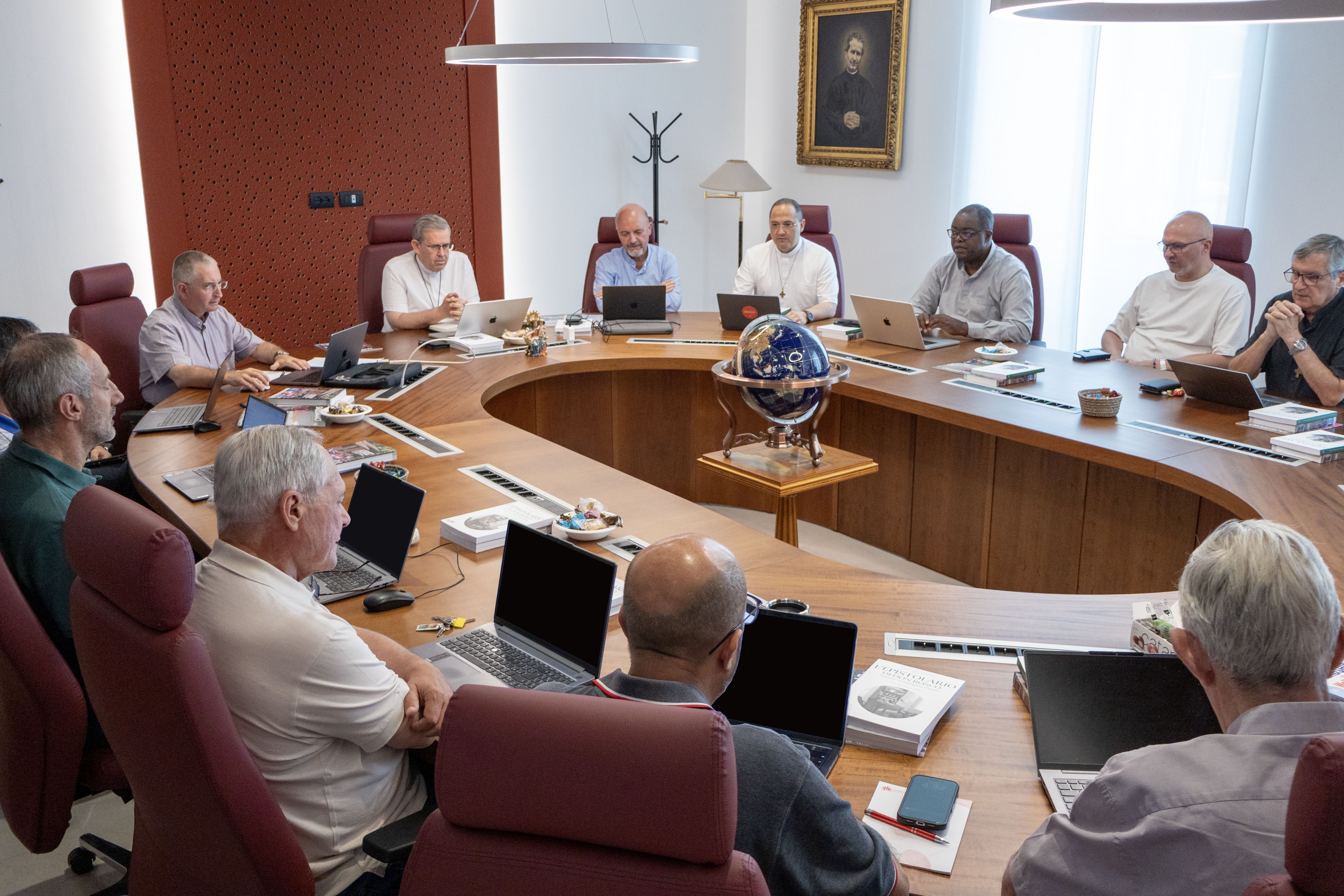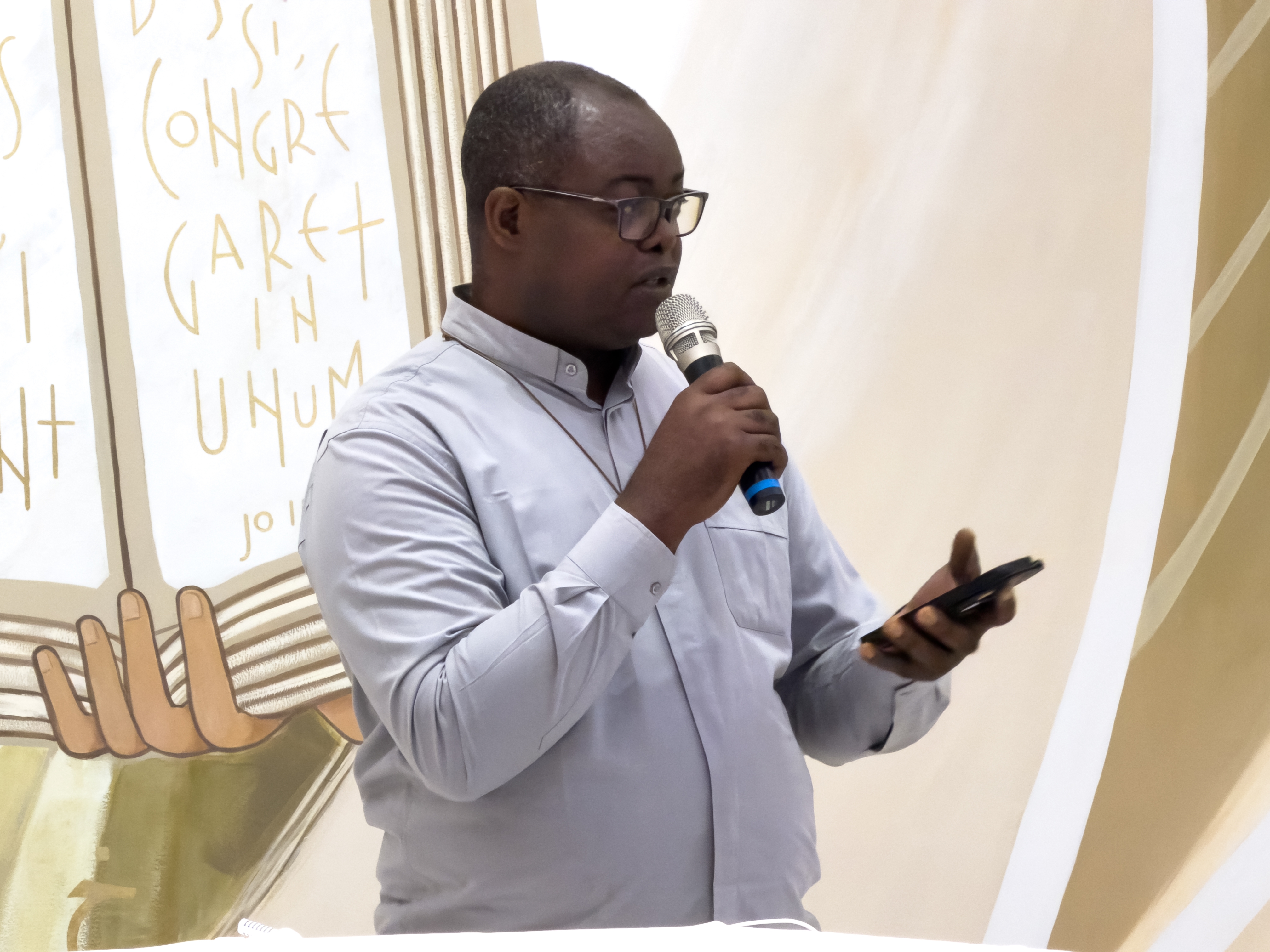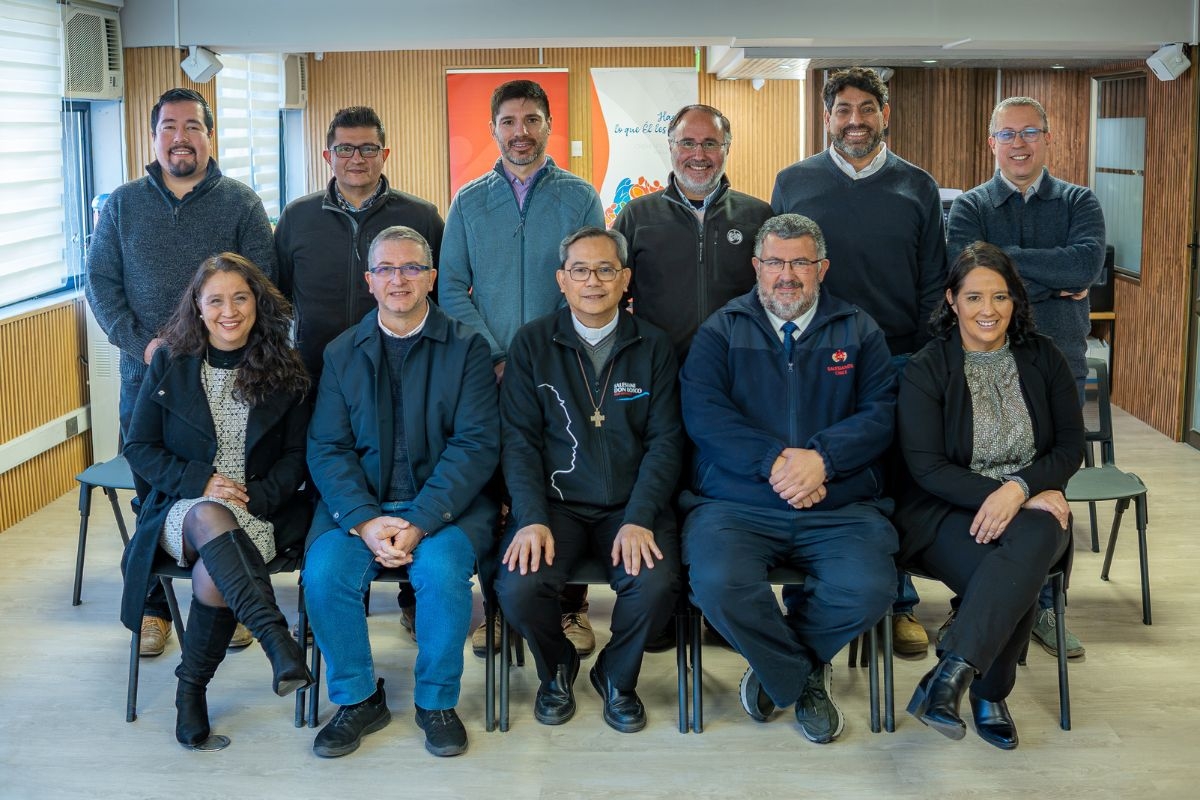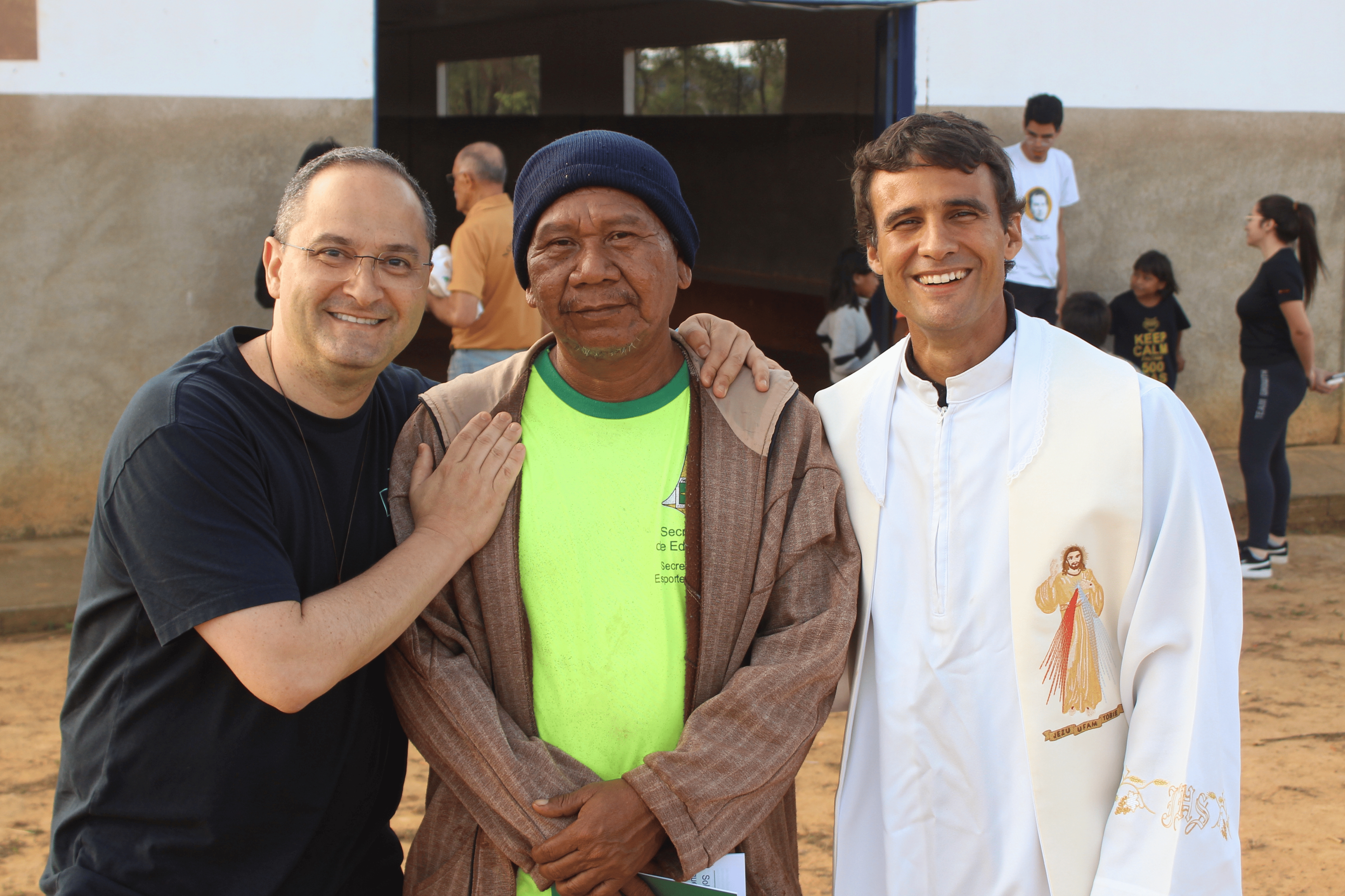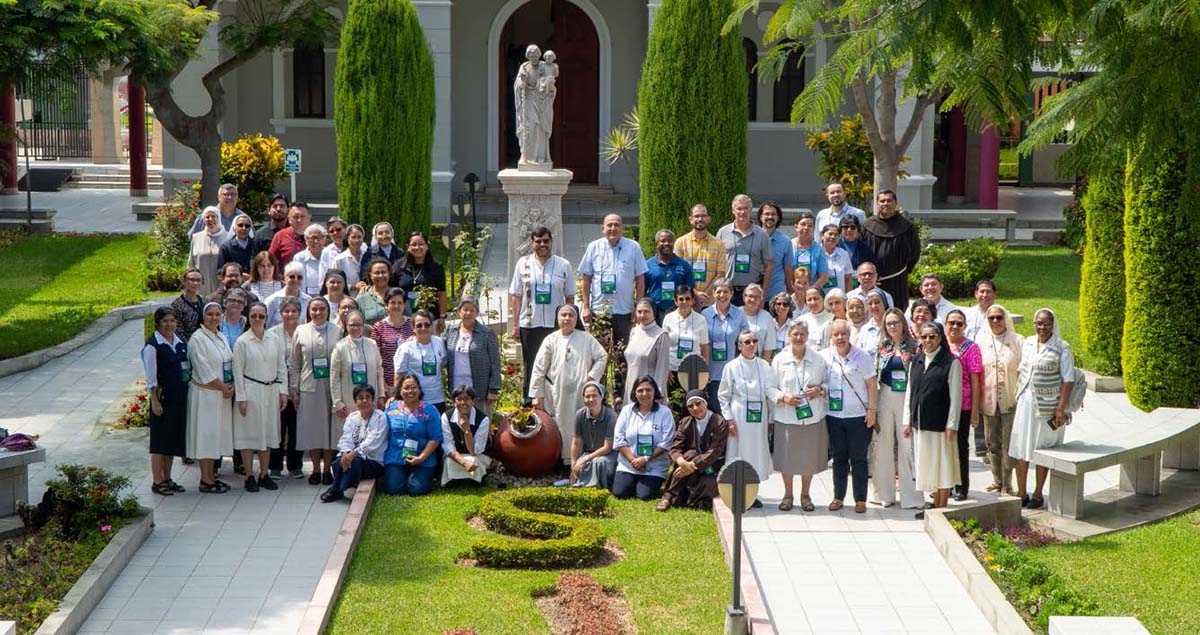
On the first day, during the opening ceremony, various ecclesiastical authorities, including representatives of the Pontifical Commission for the Protection of Minors, emphasised the urgency of moving towards an understanding of authority as service and shared responsibility. The day’s work focused on a critical analysis of ‘community geographies’, identifying power dynamics, silences and systemic structures that can foster situations of violence or abuse of conscience.
The second day explored the exercise of evangelical authority, using symbolic gestures to raise awareness of the indelible wounds left by abuse. It was emphasised that cultural change requires a coherent integration of the mind, hands and heart of those in leadership, moving beyond authoritarian models to ensure processes of transparency and accountability.
A key point of the seminar was the reaffirmation that prevention is not merely a set of technical rules, but a process of collective construction. In this regard, ‘warning signs’ were identified for the early detection of risks, and concrete models were proposed for the development of protection policies that include intervention protocols, official reporting channels and communication strategies in the event of a crisis.
Towards the end of the event, the discussion focused on “responsive ethics”, an attitude that goes beyond a clear conscience to embrace compassion and responsibility in the face of harm caused. The need to lead with a “pastoral GPS” approach was emphasised—one that guides with patience and moves at the pace of the people, promoting a decentralisation of authority and the inclusion of voices that have historically been silenced.
The Pontifical Commission for the Protection of Minors presented its principles for the integral care of victims and cooperation with civil authorities; guidelines that CLAR has committed to supporting and disseminating throughout the region. This institutional support aims to strengthen continental networks, ensuring that the accompaniment of victims is professional, pastoral and, above all, human.
The seminar concluded on 19 April with a missionary sending and a renewed commitment to evangelical fidelity. The participants returned to their respective countries with concrete action plans and the conviction that, although the journey of conversion is demanding, networking and ongoing formation are the fundamental tools for building a healthy, safe and trustworthy Church.